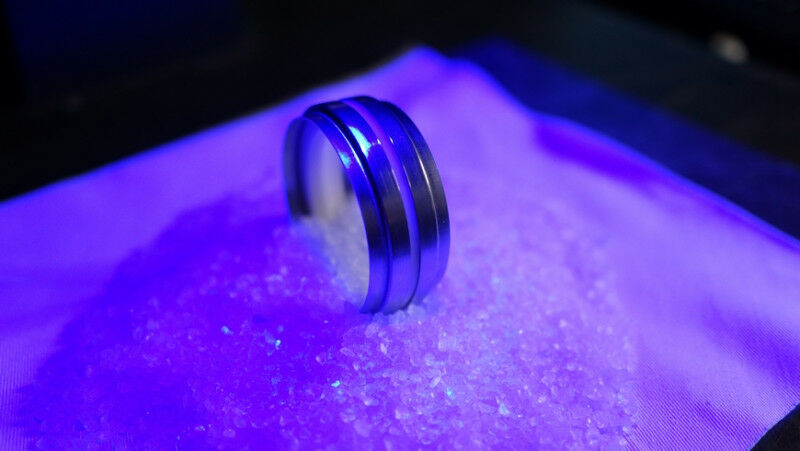
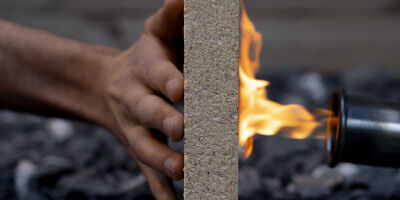
The goal of the LISA project: Laser joining of ceramic to metals for salt batteries. Image: Empa
LISA: Innosuisse funding for battery research. The goal of the LISA project: Laser joining of ceramic to metals for salt batteries. Image: Empa Empa will collaborate with Battery Consult AG, a research and development company specializing in salt battery technology, and the Swiss Innovation Park Biel/Bienne (SIPBB) in the LISA project (Laser Joining of ceramic-metal in SaltBatteries), which is co-funded by the Swiss Innovation Agency Innosuisse. The project aims to revolutionize battery manufacturing and contributes to the cost effectiveness and sustainability of new energy storage solutions. Salt batteries based on the well-established ZEBRA technology have proven to be highly efficient and sustainable, with a long battery lifetime that reduces energy and capital costs for energy storage. At the end of their lifecycle, salt batteries are downcycled for use in the stainless-steel industry through a well-established process, showcasing their high degree of sustainability. Additionally, the degree of safety during manufacturing and operation is high, as these batteries are non-burnable and do not explode.
TO READ THIS ARTICLE, CREATE YOUR ACCOUNT
And extend your reading, free of charge and with no commitment.