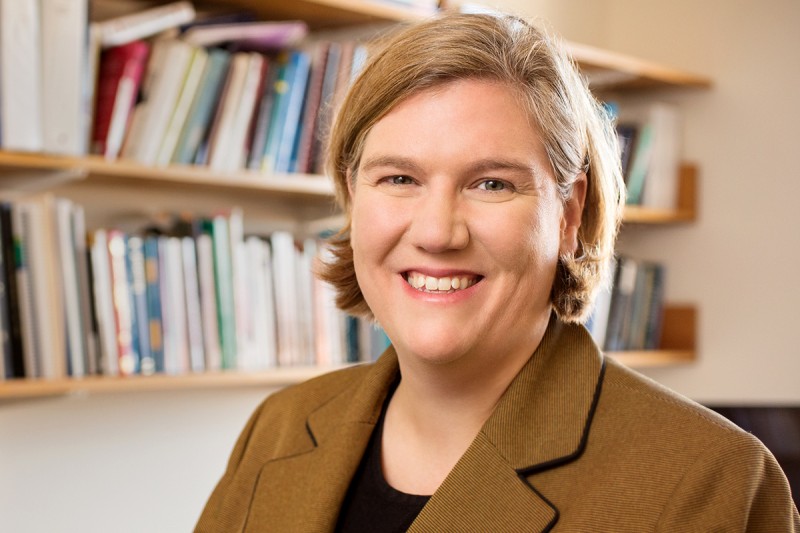
Suicidality, depression, anxiety and other mental health conditions are “not uncommon responses to sexual assault,” said U. of I. psychology Nicole Allen, a co-author on a new analysis of sexual assault victimization and mental health outcomes. Photo by L. Brian Stauffer
CHAMPAIGN, Ill. — An analysis of nearly 200 independent studies involving more than 230,000 adult participants finds that having been sexually assaulted is associated with significantly increased risk of anxiety, depression, suicidality, post-traumatic stress disorder, substance abuse, obsessive-compulsive disorder and bipolar disorder. The analysis, reported in the journal Clinical Psychology Review, represents a summary of 40 years of research on the subject. "We compared people who had been sexually assaulted with those who hadn't and found a significant difference in mental health," said Emily Dworkin , who conducted the study as a graduate student with University of Illinois psychology professor Nicole Allen. "We also compared people who had been sexually assaulted with people who had experienced other forms of trauma and found that the difference was still there, suggesting that sexual assault is associated with significantly increased risk for these mental health conditions as compared with other types of trauma." The association between sexual assault and mental health conditions was generally apparent across studies, regardless of how researchers defined sexual assault, Dworkin said. Some studies only examined forced assault, others included coercion or incapacitation, while others included any unwanted sexual contact. "It doesn't seem to matter how broadly or narrowly you define sexual assault - if you're only looking at penetrative forms of assault or if you're also including people who experienced assaults limited to fondling - the association is still there," Dworkin said.
TO READ THIS ARTICLE, CREATE YOUR ACCOUNT
And extend your reading, free of charge and with no commitment.