The computer modelling software should be available for testing newly developed products and treatments in the next few years and along the way this cutting-edge research could even provide new insight into how our ancestors evolved.
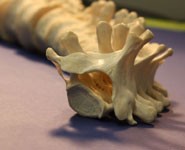
The bones of people who died up to a hundred years ago are being used in the development of new treatments for chronic back pain for the first time. The research brings together archaeology and anthropology expertise at the University of Bristol with the latest computer modelling techniques developed at the University of Leeds. Spines from up to 40 skeletons housed in museums and university anatomy collections are being analysed in the research, funded by the Engineering and Physical Sciences Research Council (EPSRC). The data generated, on different spine conditions and on how spines vary in size and shape, are playing a key role in the development of innovative computer models. This will enable the potential impact of new treatments and implant materials (such as keyhole spinal surgery and artificial disc replacements) to be evaluated before they are used on patients. Ultimately, it will also be possible to use the models to pinpoint the type of treatment best suited to an individual patient. This is the first software of its kind designed for the treatment of back conditions.
TO READ THIS ARTICLE, CREATE YOUR ACCOUNT
And extend your reading, free of charge and with no commitment.