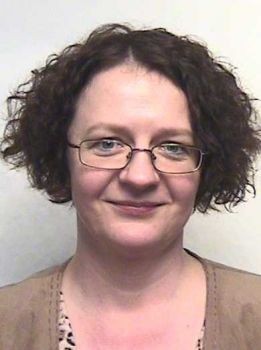
Professor Jackie Cassell
Is it right to allow people's private medical records to be used in research? - For Professor Jackie Cassell, the details of our visits to the GP provide valuable information that could help shape the future of healthcare for us all. For example, research into GP's patient records (most of which are nowadays digitised) has shown that older women seem less likely to get referred quickly when they have a cancer of the ovary. They can also reveal patterns of health, such as the incidence of sexually transmitted disease, or health patterns associated with living near mobile phone masts or incinerators. Professor Cassell is a primary care epidemiologist who specialises in digital records. Her research involves the analysis of data that helps to build a picture of health in our society, so that GP care can be better designed and targeted. In Who's Looking at Your Medical Records - the last of the four University of Sussex lectures in the Ropetackle Centre's Art in Life Sciences Festival - Professor Cassell will explain why medical records research is so invaluable and how meaningful information can be retrieved from patient records. Professor Cassell, of Brighton and Sussex Medical School, says: "Just like your supermarket loyalty card or internet searches, your medical records tell stories - about your health, what problems you consulted your GP about, what vaccinations you had, and when you moved to the area and registered with the GP. This story would be of interest to you and to any GP or nurse seeing you. "Epidemiologists like me are interested in the health of populations of people. Who gets what illness and why?
TO READ THIS ARTICLE, CREATE YOUR ACCOUNT
And extend your reading, free of charge and with no commitment.