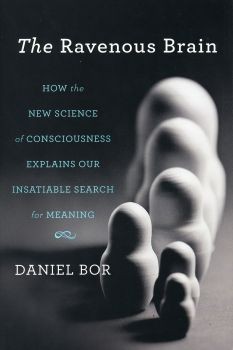
The Ravenous Brain
Sussex neuroscientist explains why we're hungry for puzzles. A University of Sussex neuroscientist has come up with a radical new approach in the pursuit of our understanding of consciousness. In his new book The Ravenous Brain , Daniel Bor, a research fellow at the University's Sackler Centre for Consciousness Science, examines how consciousness has been explained in the past - and how his new theory of it being an "accelerated knowledge-gathering tool" could illuminate the mystery that has puzzled philosophers and scientists for centuries. "Our consciousness is the essence of who we perceive ourselves to be,'" he says. "It is the citadel for our senses, the melting pot of thoughts, the welcoming home for every emotion that pricks or placates us. For us, consciousness simply is the currency of life." What sets humans apart in the animal kingdom is our ravenous appetite for knowledge, even when all our biological needs are met. But it's not just random information.
TO READ THIS ARTICLE, CREATE YOUR ACCOUNT
And extend your reading, free of charge and with no commitment.