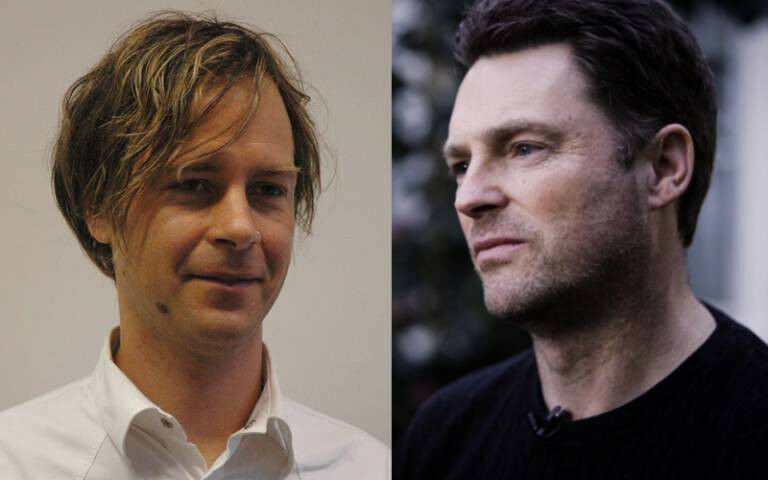
Simon Lewis and Mark Maslin
Simon Lewis and Mark Maslin - Following two weeks of negotiations at COP26, Professor Mark Maslin and Professor Simon Lewis (UCL Geography) explain the key points from the conference. The COP26 UN climate talks in Glasgow have finished and the gavel has come down on the Glasgow Climate Pact agreed by all 197 countries. If the 2015 Paris Agreement provided the framework for countries to tackle climate change then Glasgow, six years on, was the first major test of this high-water mark of global diplomacy. So what have we learnt from two weeks of leaders' statements, massive protests and side deals on coal, stopping fossil fuel finance and deforestation, plus the final signed Glasgow Climate Pact ? From phasing out coal to carbon market loopholes, here is what you need to know: 1. Progress on cutting emissions, but nowhere near enough The Glasgow Climate Pact is incremental progress and not the breakthrough moment needed to curb the worst impacts of climate change. The UK government as host and therefore president of COP26 wanted to " keep 1.5°C alive ", the stronger goal of the Paris Agreement. But at best we can say the goal of limiting global warming to 1.5°C is on life support - it has a pulse but it's nearly dead.
TO READ THIS ARTICLE, CREATE YOUR ACCOUNT
And extend your reading, free of charge and with no commitment.