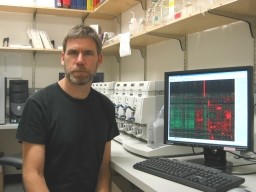
Dr. Stan Nelson
Researchers at UCLA's Jonsson Comprehensive Cancer Center have performed the first complete genomic sequencing of a brain cancer cell line, an advance that could lead to personalized treatments based on the unique biological signature of an individual's cancer and that may unveil new molecular targets for which more effective and less toxic drugs can be developed. The study also may lead to new and better ways to monitor for brain cancer recurrence, allowing for much earlier diagnosis and treatment when the cancer returns. Clinicians also could use the finding to develop a test to determine when the brain cancer has been killed, preventing overtreatment with harmful drugs that can later cause debilitating health problems. Using the latest technology, the sequencing was done in less than a month at a cost of about $35,000. By comparison, the sequencing of the human genome took years, required huge teams of scientists and cost more than $1 billion, said the study's senior author, Dr. Stan Nelson, a professor of human genetics and a researcher at the Jonsson Cancer Center. "This is very exciting because we, as scientists, can now move forward with revealing complete cancer genomes," said Nelson, who directs the cancer center's Gene Expression Shared Resource. "Cancer is at its heart a genetic disease.
TO READ THIS ARTICLE, CREATE YOUR ACCOUNT
And extend your reading, free of charge and with no commitment.