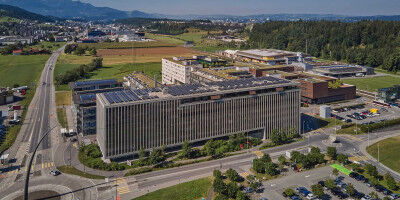
Scientists confirm: New technique could make cement manufacturing carbon-neutral
Reuters - For every ton of cement produced, the process creates approximately a ton of carbon dioxide, all of which accounts for roughly 7 percent of the world's carbon dioxide emissions. Concrete surrounds us in our cities and stretches across the land in a vast network of highways. It's so ubiquitous that most of us take it for granted, but many aren't aware that concrete's key ingredient, ordinary portland cement, is a major producer of greenhouse gases. Each year, manufacturers produce around 5 billion tons of portland cement — the gray powder that mixes with water to form the "glue" that holds concrete together. That's nearly three-quarters of a ton for every person on Earth. For every ton of cement produced, the process creates approximately a ton of carbon dioxide, all of which accounts for roughly 7 percent of the world's carbon dioxide emissions. And with demand increasing every year — especially in the developing world, which uses much more portland cement than the U.S. does — scientists are determined to lessen the growing environmental impact of portland cement production.