Imperial researchers are helping to design better homes for people in Latin America
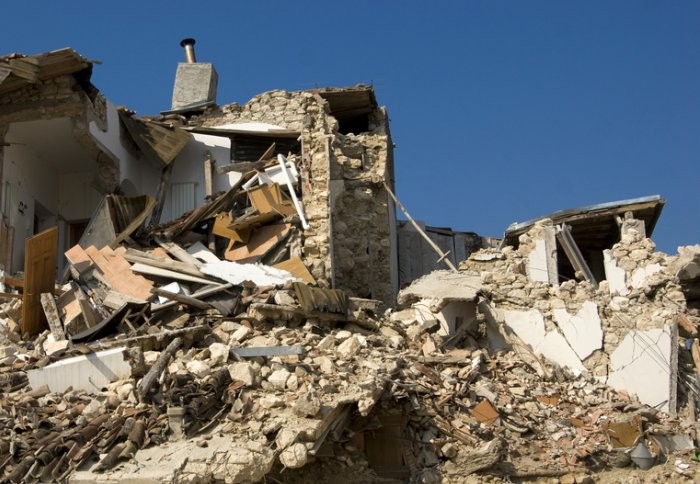
Engineering 'quake-proof' homes could save lives, say Imperial academics. New techniques that enable people in rural communities in Central and South America to build their own earthquake resistant, low-cost housing are being developed by academics from Imperial College London. Since 1980, 18,300 people worldwide have died in homes that have collapsed because they were not engineered to be earthquake-proof. Researchers at Imperial are developing techniques for improving traditional construction methods used by people in rural communities in Latin America, so that they are more able to withstand earthquakes. The aim of the project is to show people how they can build homes more robustly while still using traditional materials in a sustainable and low cost way. The traditional style of home in the region consists of timber or bamboo frames that are clad in a lattice-work of cane, twigs and timber strips. These walls are plastered over with mud or mortar.
TO READ THIS ARTICLE, CREATE YOUR ACCOUNT
And extend your reading, free of charge and with no commitment.