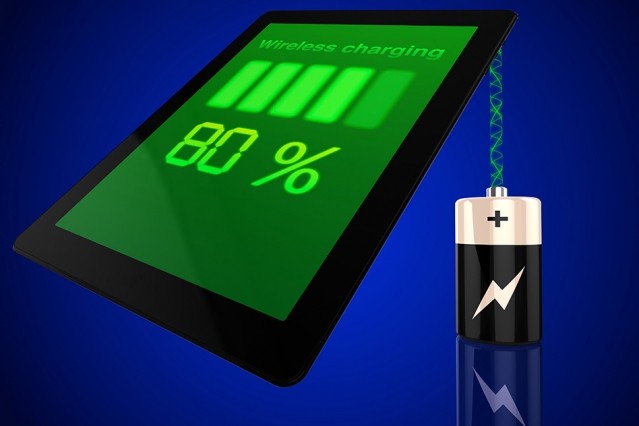
In an effort to get ahead of the problem of counterfeit wireless chargers, MIT researchers have built a chip that blocks attempts to wirelessly charge a device’s battery unless the charger first provides cryptographic authentication.
Counterfeit chargers for portable electronics are a major problem. At the end of 2016, Apple claimed that of 100 Apple-branded charging accessories it bought on Amazon, 90 were counterfeits. Around the same time, Britain's Chartered Trading Standards Institute reported that of 400 counterfeit chargers it bought from a range of online retailers, 397 failed a basic safety test. In the last few years, portable electronics that can be recharged wirelessly have started coming to market. In an effort to get ahead of the problem of counterfeit wireless chargers - which could cause power surges that fry a device's circuitry - researchers from MIT's Microsystems Technology Laboratories have built a chip that blocks attempts to wirelessly charge a device's battery unless the charger first provides cryptographic authentication. The same technology also solves another problem with wireless chargers. When two devices share a single charger, if they are different distances from the charger's electrical coil, their charging rates can vary enormously, to the extent that one device might charge fully while the other remains virtually uncharged.
TO READ THIS ARTICLE, CREATE YOUR ACCOUNT
And extend your reading, free of charge and with no commitment.