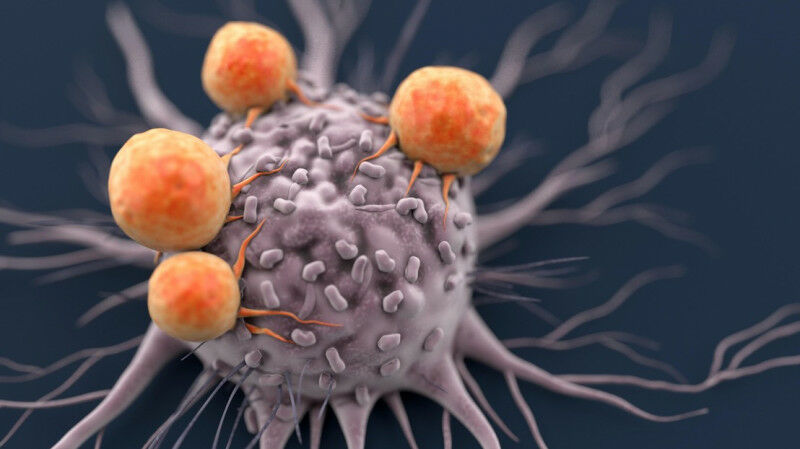
© 2024 EPFL Transformative research at EPFL introduces CAR-T cells that flourish in tumor environments, paving the way for unparalleled advancements in cancer immunotherapy. At EPFL's School of Engineering, Professor Li Tang's Laboratory of Biomaterials for Immunoengineering has made significant strides in cancer treatment research. In laboratory settings, this innovative CAR-T therapy has consistently eradicated cancerous tumors in mouse models. Separately, in on-going clinical trials, eleven patients seemed to achieve complete remission using this treatment, marking a success rate of 100% to date. Notably, evidence from the lab study, published in Nature Biotechnology , suggests the therapy's long-term effectiveness, and indicates that its fabrication may be both quicker and more cost-effective than current methods. At its core, CAR-T therapy involves modifying T-cells to target and eliminate specific cancer cells. These modified T-cells are equipped with Chimeric Antigen Receptors (CARs) that allow them to recognize and latch onto cancer cells, marking a significant departure from traditional treatments.
TO READ THIS ARTICLE, CREATE YOUR ACCOUNT
And extend your reading, free of charge and with no commitment.
Your Benefits
- Access to all content
- Receive newsmails for news and jobs
- Post ads