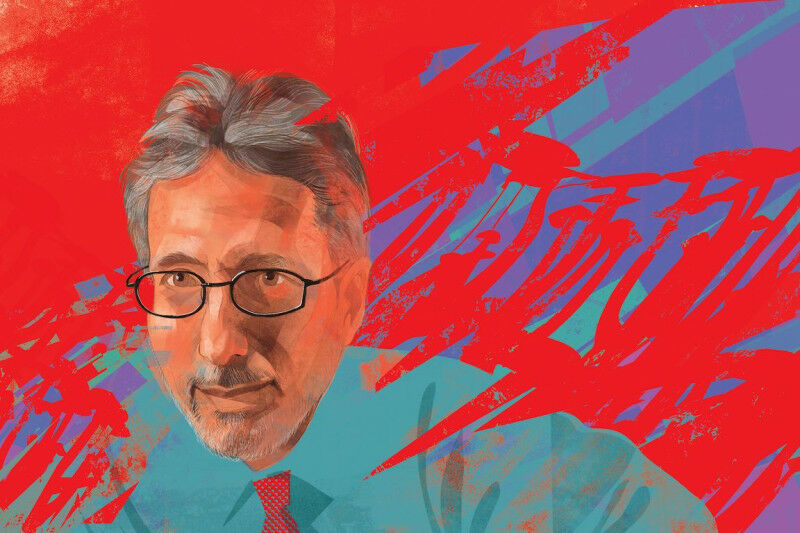
Illustration by John Jay Cabuay Dr. Charles Grob
Illustration by John Jay Cabuay Dr. Charles Grob - Can drugs like psilocybin and ecstasy effectively treat depression, PTSD, addiction and other conditions? UCLA and UC researchers are working to find out Can drugs like psilocybin and ecstasy effectively treat depression, PTSD, addiction and other conditions? UCLA and UC researchers are working to find out For more than three decades, UCLA's Dr. Charles Grob has engaged in research that is guaranteed to make him a hit at cocktail parties, if not always among gatherings of traditional funders of scientific studies. "This was always an obscure, niche area," Grob said of his scientific explorations of the therapeutic value of psilocybin, an active chemical in magic mushrooms; MDMA, the party drug better known as ecstasy or molly; and ayahuasca, the Amazonian plant hallucinogen employed as a religious sacrament by indigenous cultures for centuries. "For the most part, the field consisted of myself and a few friends. What we're seeing now is astonishing." Grob, director of child and adolescent psychiatry at Harbor-UCLA Medical Center and a member of the Semel Institute for Neuroscience and Human Behavior at UCLA, is referring to the growing embrace of drugs long associated with the counterculture and which are, for the most part, still illegal outside of tightly controlled research settings. Interest in studying psychedelics for mood disorders, addictions and other difficult-to-treat conditions has soared in recent years amid tantalizing hints of their transformative capabilities, particularly when combined with psychotherapy.
TO READ THIS ARTICLE, CREATE YOUR ACCOUNT
And extend your reading, free of charge and with no commitment.