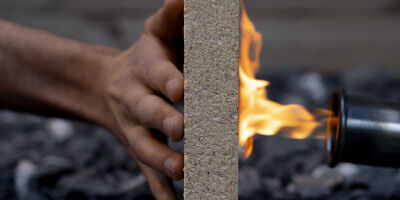
The photovoltaic materials covering this facade meet aesthetic requirements. Made by Solaxess, based on a technology developed by CSEM.
EPFL has become the coordinator of Be-Smart, an EU research project that aims to step up the deployment of building-integrated photovoltaics (BIPV) and cut their costs by 75% between now and 2030. The project was launched in response to EU regulations that require new buildings to be nearly zero-energy by 2020. Photovoltaics can be used directly in building and renovation projects and serve as a construction material in their own right. Integrating solar panels into facades and roofs can transform buildings into electricity producers and reduce CO 2 emissions. To develop and promote this technology, Be-Smart project partners will design multifunctional solar panels that not only produce energy but also do the job of other building materials with insulating, soundproofing or aesthetic qualities. The project partners will also develop a methodology for architects and construction companies and find ways to drastically reduce the costs of BIPV. A boon for Europe's manufacturing industry Fifteen research institutes, innovative companies, and architecture and construction firms have teamed up for this challenging project, which is being led by EPFL and the CSEM in Neuchâtel.
TO READ THIS ARTICLE, CREATE YOUR ACCOUNT
And extend your reading, free of charge and with no commitment.