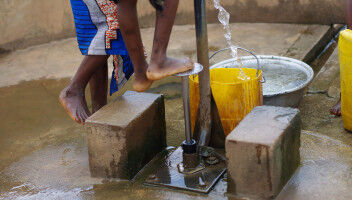
Corn has been grown in Madagascar since the 1930s.
Research by an EPFL PhD student has found a way to boost Madagascar's corn crop yields up to five times while decreasing deforestation at the same time. As part of her PhD research at EPFL's Ecological Systems Laboratory (ECOS), Justine Gay-des-Combes discovered a sustainable method for improving the slash-and-burn farming practices traditionally used in Madagascar, whereby a wooded area is burned to create a field for growing crops. Slash-and-burn farming also plays a role in the island's deforestation. Gay-des-Combes, an environmental engineering student, spent two years conducting tests in two villages in the southwest of the country. The fruit of her labors is a socially responsible and environmentally friendly system that involves generating compost and refurbishing water wells; she also set up training sessions for local farmers on how to use her method. "Slash-and-burn farming is deeply ingrained in Madagascan culture, so I decided to respect this traditional method while making it more sustainable," says Gay-des-Combes. During her project, she took measurements in corn crops, performed tests in new fields, and carried out carefully controlled experiments in pots.
TO READ THIS ARTICLE, CREATE YOUR ACCOUNT
And extend your reading, free of charge and with no commitment.
Your Benefits
- Access to all content
- Receive newsmails for news and jobs
- Post ads