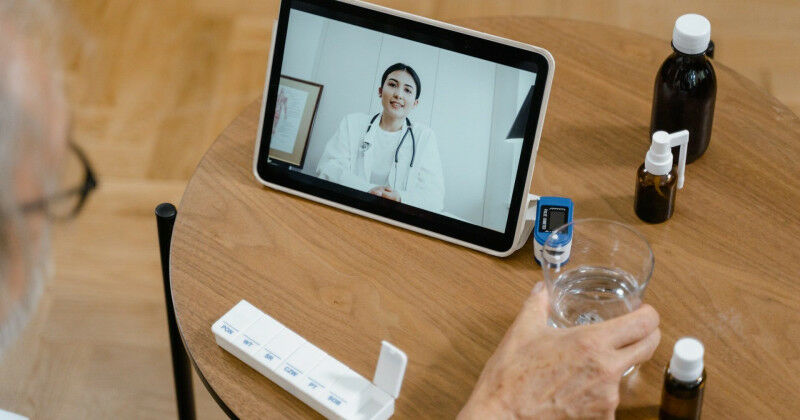
Photo by Tima Miroshnichenko (Pexels)
Photo by Tima Miroshnichenko (Pexels) - A new study by researchers at Western University, ICES and Lawson Health Research Institute has found that virtual care during the COVID-19 pandemic led to a significant reduction in carbon dioxide emissions and patient travel-related expenses, such as gasoline, parking or public transit costs. Prior to the pandemic, less than two per cent of patient visits with physicians took place virtually. The beginning of the pandemic (April-June 2020) triggered a rapid transition to virtual visits, which soared to 70 to 80 per cent, and then stabilized at 50 to 60 per cent of all physician visits. This cross-sectional study published in JAMA Network Open used healthcare administrative data from Ontario, Canada to identify all patients with at least one virtual care visit between March 2020 and December 2021. Blayne Welk "Virtual care has become an important part of the healthcare system in Ontario, and in addition to improved patient convenience, it results in significant environmental and financial benefits for patients," said lead author Dr. Blayne Welk , associate professor of surgery at Western's Schulich School of Medicine & Dentistry , urologist at St. Joseph's Health Care London, associate scientist at Lawson and adjunct scientist at ICES Western.
TO READ THIS ARTICLE, CREATE YOUR ACCOUNT
And extend your reading, free of charge and with no commitment.