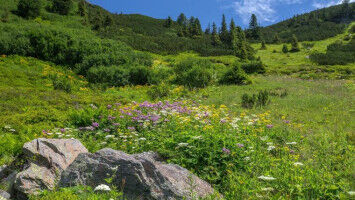
To alter natural waterways is to take a serious risk of endangering species living on the entire length of a river. In a joint project, scientists from EPFL, EAWAG and Princeton University have modeled the flow of organisms living along river networks. Their research will be published this week in the journal PNAS. Rivers and riverbanks are worlds in themselves; they are teeming with a rich and varied diversity of plant and animal life. But humans are constantly modifying this environment. Enormous projects such as canals, drainage, dams, diversions, and vegetation introduction have been undertaken to reclaim land and divert or obtain access to water. It is now possible to precisely measure the impact of these alterations on riparian (river zone) biodiversity.
TO READ THIS ARTICLE, CREATE YOUR ACCOUNT
And extend your reading, free of charge and with no commitment.
Your Benefits
- Access to all content
- Receive newsmails for news and jobs
- Post ads