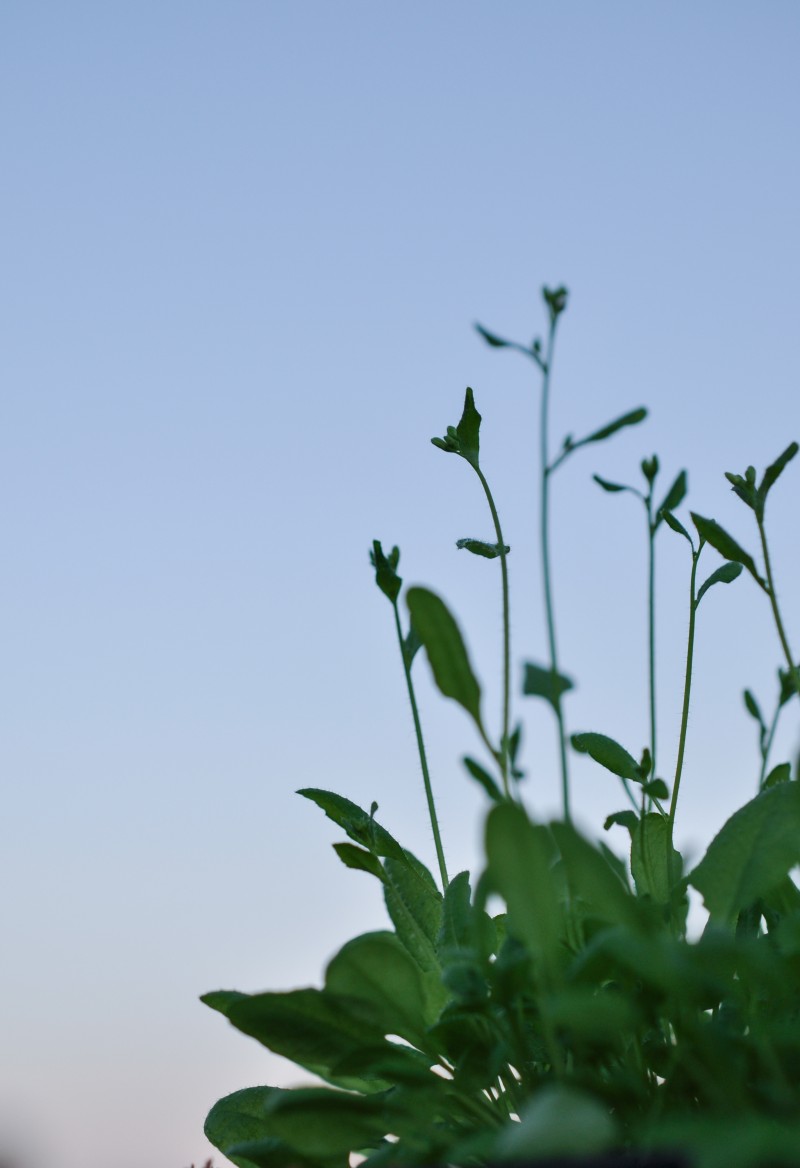
Arabidopsis thaliana plants flowering outside under natural light. Takato Imaizumi
Administrative affairs Arts and entertainment Buildings and grounds For UW employees Health and medicine Honors and awards Official notices Politics and government UW and the community - For angiosperms - or flowering plants - one of the most important decisions facing them each year is when to flower. It is no trivial undertaking. To flower, they must cease vegetative growth and commit to making those energetically expensive reproductive structures that will bring about the next generation. Knowledge of this process at the cellular level is critical for understanding how plants allocate resources and produce the components we care most about - including the grains, tubers, leaves, nuts and fruits that mean so much to humans and animals alike. In a paper published Sept. Plants , an international team of researchers has discovered that the gene FT - the primary driver of the transition to flowering in plants each spring - does something unexpected in Arabidopsis thaliana plants grown in natural environments, with implications for the artificial growing conditions scientists commonly used in the lab. The team, led by University of Washington biology professor Takato Imaizumi , showed that FT has a peak of activity every morning leading up to the transition, something that scientists had not previously seen in Arabidopsis , a model plant that is widely studied for understanding the molecular details of the transition to flowering.
TO READ THIS ARTICLE, CREATE YOUR ACCOUNT
And extend your reading, free of charge and with no commitment.