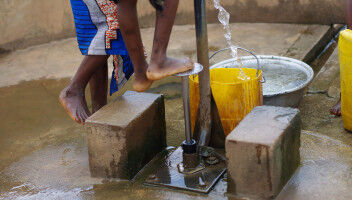
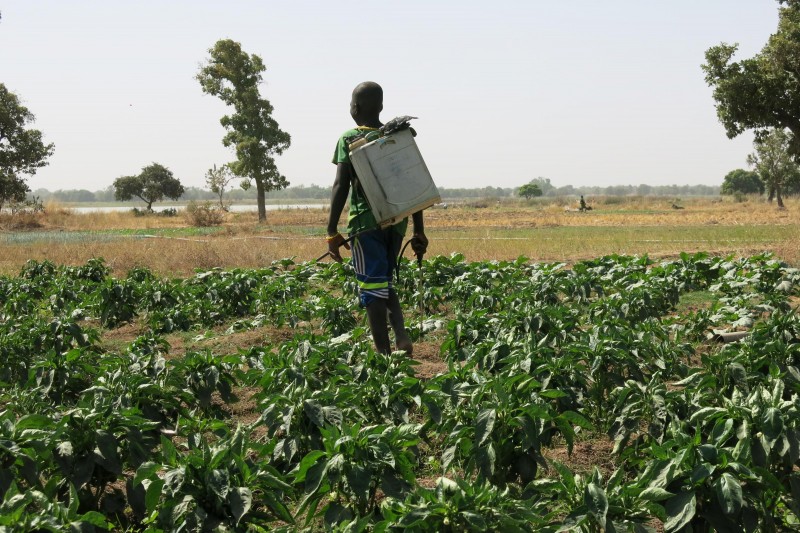
 The farmers are often dressed only in shorts and t-shirts when treating crops.
Poor pesticide practices in Burkina Faso pose a threat to human health and the environment. An EPFL thesis has quantified this problem for the first time through an analysis of soil, water, sediment, vegetable and hair samples. Small-scale vegetable growers in Burkina Faso are unfamiliar with the proper use of pesticides and end up exposing both people and the environment to serious contamination risks. The quantity of pesticide applied to a given surface area is higher than the recommended level in 72% of cases, while the recommended spray concentration is exceeded 56% of the time. As a result, the water in around 30% of the wells in agricultural areas is unsuitable for drinking, and the pesticide level in 36% of vegetables does not meet international regulatory standards. The concentration of endocrine disrupters and the presence of carcinogens represent a particular risk to humans - especially children. These are the main findings of Edouard Lehmann's thesis in the field of environmental sciences and engineering.
TO READ THIS ARTICLE, CREATE YOUR ACCOUNT
And extend your reading, free of charge and with no commitment.
Your Benefits
- Access to all content
- Receive newsmails for news and jobs
- Post ads