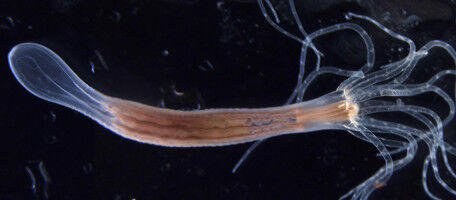
Rigor mortis in worms offers new insight into death
A dying worm experiences rigor mortis early in the death process, rather than after the main event as it is for humans, according to a new study by an international team of scientists at UCL and Washington University School of Medicine in St. Louis. The study, published in the journal Cell Reports , is the first discovery of rigor mortis in worms and provides new insight into the process of 'organismal' death. In legal and medical terms, death is defined as the moment at which the heart ceases to beat, or the brain to function. But from a biological perspective, death involves a series of events that begin long before and end sometime after a person is declared dead. A group of scientists have used a tiny roundworm called C. elegans to discover the mechanisms involved when multicellular organisms die, particularly as a result of old age. "Cell death has been widely studied but much less is known about death of whole organisms, how it happens, what triggers it, and when it begins and ends. But it's extremely important for understanding fatal diseases in humans, especially those caused by ageing," said Professor David Gems (UCL Institute of Healthy Ageing), who led the team of researchers. The new findings show how death spreads through the organism via the process of cellular necrosis.