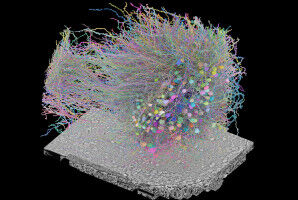
Brain activity intensity drives need for sleep
The intensity of brain activity during the day, notwithstanding how long we've been awake, appears to increase our need for sleep, according to a new UCL study in zebrafish. The research, published in Neuron , found a gene that responds to brain activity in order to coordinate the need for sleep. It helps shed new light on how sleep is regulated in the brain. "There are two systems regulating sleep: the circadian and homeostatic systems. We understand the circadian system pretty well - our built-in 24-hour clock that times our biological rhythms, including sleep cycles, and we know where in the brain this rhythm is generated," explained lead author Dr Jason Rihel (UCL Cell & Developmental Biology). "But the homeostatic system, which causes us to feel increasingly tired after a very long day or sleepless night, is not well understood. What we've found is that it appears to be driven not just by how long you've been awake for, but how intensive your brain activity has been since you last slept." To understand what processes in the brain drive homeostatic sleep regulation - independent of time of day - the research team studied zebrafish larvae.