Scientists make transistors using perovskite, overcoming a long-standing ion obstacle
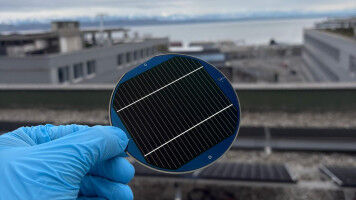
Scientists make transistors using perovskite, overcoming a long-standing ion obstacle - Physicists find a way to make components for low-cost electronics using a material that's highly rated for its performance in next-gen solar cells and LEDs. Last updated on Tuesday 17 August 2021 - Physicists have found a way to make transistors using materials that are highly rated for their performance in next-generation solar cells and light-emitting diodes (LEDs). The researchers have overcome the problem of the material's ion content interfering with the flow of electronic current through a transistor. This breakthrough may pave the way for research into greener electronic components for low-cost electronic devices. Over the past decade, solution-processed metal-halide perovskites (a hybrid metal-organic material) have been a major focus of research into low-cost, high-efficiency solar cells and LEDs. Because of their ability to process at relatively low temperatures, perovskites are considered a greener alternative to silicon, not only for the fabrication of solar cells but also for transistors. A transistors is the building blocks of an integrated circuit, and the key component in many electronic devices.
TO READ THIS ARTICLE, CREATE YOUR ACCOUNT
And extend your reading, free of charge and with no commitment.