Restoring farmland ponds can help save our declining pollinators
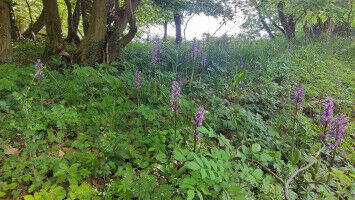
Pollinating insects such as bees, butterflies, hoverflies and wasps, interact more with plants at well-managed farmland ponds than those that are severely overgrown by trees, finds a new study led by UCL researchers. The study, published in Agriculture, Ecosystems and Environment , has been undertaken by the UCL Pond Restoration Group; since 2014 the research team has been working with the Norfolk Ponds Project, helping put pond restoration into practice, with the aim of showing how conservation and farming can work together. Explaining the study, lead author PhD researcher Richard Walton (UCL Geography) said: "For several decades, a great deal of effort has gone into habitat creation or protection on UK farmland, to try and halt the dramatic declines in pollinating insects. "At the same time, many farm ponds have been in-filled to create more agricultural land, and many remaining ponds have suffered poor ecological health with overgrown trees and shrubs making them dark and inhospitable - leading to declines in species diversity. "However proposed management of pond habitats through restoration has not previously focused on pollinators. We therefore studied the impacts of tree/shrub management at farmland ponds on plant-pollinator interactions to determine the benefits of restoration for pollinators in UK farmland. " For this study, researchers carried out assessments at nine ponds in North Norfolk; three were 'long-term managed ponds', subjected to light-to-moderate removal of woody vegetation about once or twice every decade over the last 40 years; three were 'recently restored ponds' with major removal of woody vegetation and sediment; and three were 'overgrown' ponds', shrub and tree dominated resulting from at least 30-40 years of abandonment.