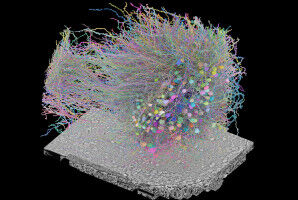
Scientists aim to perform machine-learning tasks more efficiently with processors that emulate the working principles of the human brain. Image: Unsplash
Scientists aim to perform machine-learning tasks more efficiently with processors that emulate the working principles of the human brain. Image: Unsplash - Researchers from ETH Zurich, Empa and the University of Zurich have developed a new material for an electronic component that can be used in a wider range of applications than its predecessors. Such components will help create electronic circuits that emulate the human brain and that are more efficient than conventional computers at performing machine-learning tasks. Compared with computers, the human brain is incredibly energy-efficient. Scientists are therefore drawing on how the brain and its interconnected neurons function for inspiration in designing innovative computing technologies. They foresee that these brain-inspired computing systems, will be more energy-efficient than conventional ones, as well as better at performing machine-learning tasks. Much like neurons, which are responsible for both data storage and data processing in the brain, scientists want to combine storage and processing in a single type of electronic component, known as a memristor.
TO READ THIS ARTICLE, CREATE YOUR ACCOUNT
And extend your reading, free of charge and with no commitment.