(Photo by cottonbro/Pexels)
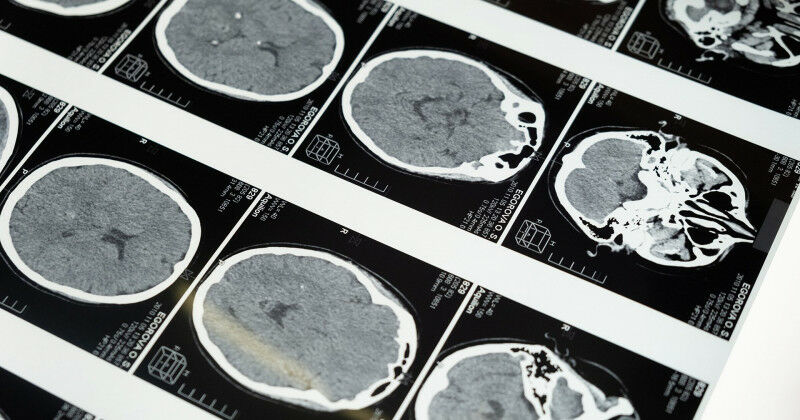
(Photo by cottonbro/Pexels) - Researchers at Western University's Schulich Medicine & Dentistry have identified how specific lesions in the brain could be used as early predictors of cognitive decline and identify those who are at high risk of developing dementia. The new findings, recently published in Alzheimer's & Dementia: The Journal of the Alzheimer's Association , identify the importance of brain lesions known as white matter hyperintensities as early predictors of cognitive decline - which could lead to earlier interventions and improvements in patient outcomes. "One of the biggest challenges now is it is difficult to determine who is most at risk of developing dementia," said Austyn Roseborough, MD/PhD candidate in anatomy and cell biology, who led the research. "You could have 100 people with mild cognitive impairment, but how do you predict who will progress and who will progress the fastest?" In the meta-analysis, researchers examined the long-term impacts of white matter hyperintensities on various patient groups, including those with mild cognitive impairment, Alzheimer's disease, or those who have suffered a stroke. Past research on the brain lesions grouped those patients together, but by studying them separately, Roseborough was able to assess the unique contributions of white matter hyperintensities to cognitive decline in each group. In another unique aspect to the paper, researchers only analyzed longitudinal studies to get a more robust assessment of the long-term impact of white matter hyperintensities on clinical progression.
TO READ THIS ARTICLE, CREATE YOUR ACCOUNT
And extend your reading, free of charge and with no commitment.