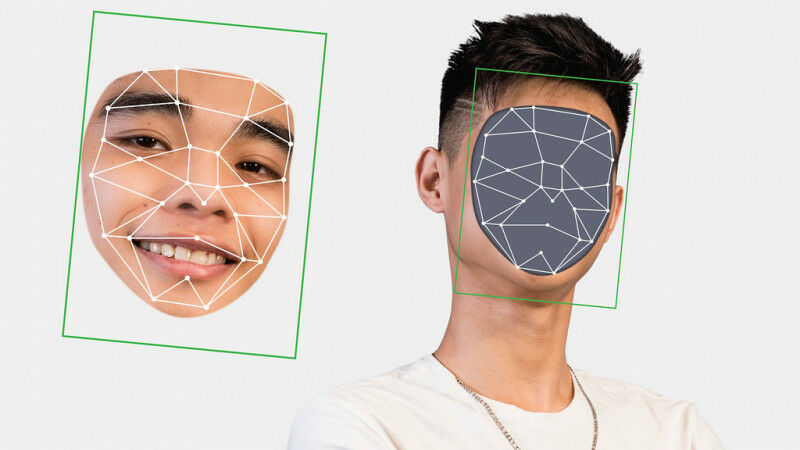
Deepfake training videos can make learning faster, easier and more fun
Deepfake training videos can make learning faster, easier and more fun - Two studies by computer scientists at the University of Bath make a case for using deepfakes in training videos. Published on Thursday 5 October 2023 Last updated on Thursday 5 October 2023 - Watching a training video featuring a deepfake version of yourself, as opposed to a clip featuring somebody else, makes learning faster, easier and more fun, according to new research led by the REVEAL research centre at the University of Bath. This finding was seen over two separate experiments, one exploring fitness training and the other involving public speaking. A deepfake is a video where a person's face or body has been digitally altered so they appear to be someone else. This technology receives highly negative press due to its potential to spread political misinformation and to maliciously develop pornographic content that superimposes the face of one person on the body of another. It also poses an existential threat to professionals in the creative industries. Dr Christof Lutteroth and Dr Christopher Clarke , both from the Department of Computer Science at Bath and co-authors of the new study, say their findings present two positive use cases for deepfakes, and hope their findings catalyse more research into ways deepfake can be applied to do good in the world.
TO READ THIS ARTICLE, CREATE YOUR ACCOUNT
And extend your reading, free of charge and with no commitment.