(Image: Pixabay CC0)
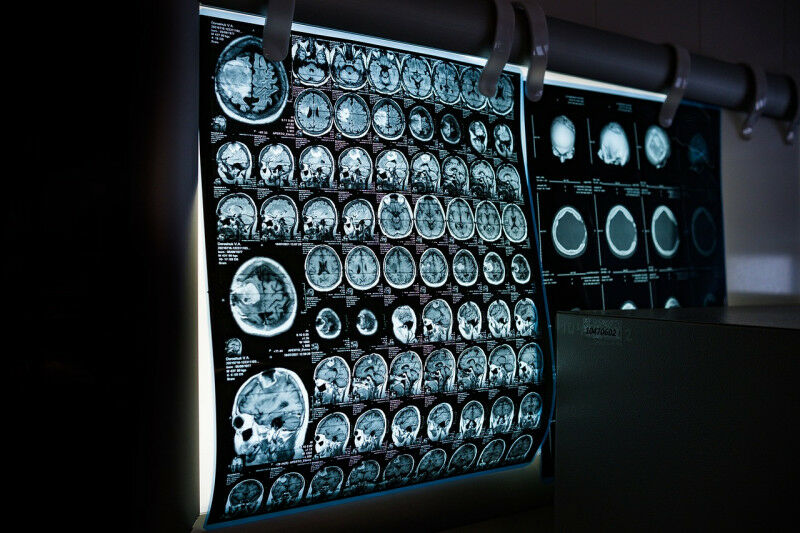
(Image: Pixabay CC0) - When people talk about a stroke, they are usually referring to ischemic stroke, in which an artery in the brain becomes blocked and affected areas of the brain are subsequently no longer supplied with nutrients and oxygen. Cerebral hemorrhage is another form of this medical emergency, in which a blood vessel bursts. As a result, brain cells are not only damaged by the hemorrhage itself - the resulting pressure can cause additional damage to the brain. A study by scientists at Med Uni Graz around Simon Fandler-Höfler from the University Department of Neurology - has looked at the risk of brain hemorrhage and how imaging using magnetic resonance imaging (MRI) can support the risk assessment of patients. A question of timing. A common and particularly dangerous form of stroke is intracerebral hemorrhage (or brain hemorrhage), which occurs about 3,000 times a year in Austria and, together with other forms of stroke, is the third leading cause of death. People who have survived such a cerebral hemorrhage generally have an increased risk of suffering another hemorrhage.
TO READ THIS ARTICLE, CREATE YOUR ACCOUNT
And extend your reading, free of charge and with no commitment.