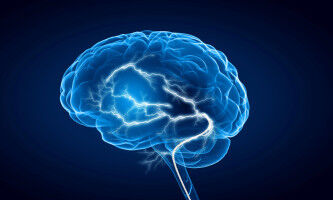
New study shows deep neural networks cannot fully account for neural responses measured in human observers while individuals are viewing photos of objects, which has major implications for the use of deep learning models in real-world settings. (Kaique Rocha/Pexels)
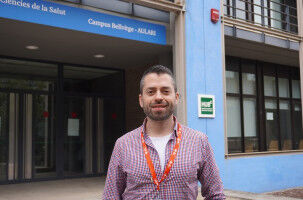
New study shows deep neural networks cannot fully account for neural responses measured in human observers while individuals are viewing photos of objects, which has major implications for the use of deep learning models in real-world settings. (Kaique Rocha/Pexels) Despite the power of deep learning, computers have yet to master human calculations when it comes to visual recognition By Jeff Renaud , March 16, 2023 By Jeff Renaud , March 16, 2023 When a human spots a familiar face or an oncoming vehicle, it takes the brain a mere 100 milliseconds (about one-tenth of a second) to identify it and more importantly, place it in the right context so it can be understood, and the individual can react accordingly. Unsurprisingly, computers may be able to do this faster, but are they as accurate as humans in the real world? Not always, and that's a problem, according to a study led by Western neuroimaging expert Marieke Mur. Computers can be taught to process incoming data, like observing faces and cars, using artificial intelligence known as deep neural networks or deep learning. This type of machine learning process uses interconnected nodes or neurons in a layered structure that resembles the human brain. The key word is 'resembles' as computers, despite the power and promise of deep learning, have yet to master human calculations and crucially, the communication and connection found between the body and the brain, specifically when it comes to visual recognition. Marieke Mur "While promising, deep neural networks are far from being perfect computational models of human vision," said Mur, a Western professor jointly appointed in the departments of psychology and computer science.
TO READ THIS ARTICLE, CREATE YOUR ACCOUNT
And extend your reading, free of charge and with no commitment.