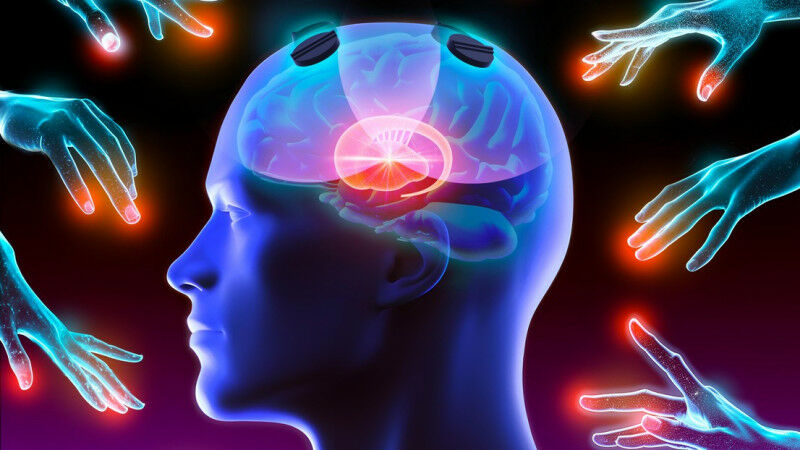
© Flyazure / 2023 EPFL Using a new, non-invasive brain-stimulation technique, scientists at EPFL show that it is possible to enhance the activity of deep brain structures and improve motor learning. The research opens up new ways for noninvasive treatments of brain disorders.
Video: The Hummel lab showed improvements of motor learning in older adults by noninvasive neuromodulation of a deep brain region (striatum). This is the first time in humans that deep brain structures were successfully and focally reached non-invasively. Credit: Mohesh Mohan A growing number of neurological treatments are beginning to rely on neuromodulation, a technique that uses targeted electrical stimulation or chemical agents to change the activity of specific neurological sites in the brain and body in general. Stimulating the brain for neuromodulation is also crucial for advancing our understanding of how it works. By directly influencing neuronal activity and circuits, researchers can investigate causal relationships between brain activity and behavior and unveil the mysteries of neuroplasticity, learning and memory in the context of various neurological and psychiatric disorders.
TO READ THIS ARTICLE, CREATE YOUR ACCOUNT
And extend your reading, free of charge and with no commitment.
Your Benefits
- Access to all content
- Receive newsmails for news and jobs
- Post ads