Göttingen University research team improves understanding of water availability in forest soil
Forest soil stores water, carbon and nutrients for trees and also provides a habitat for living organisms. When managing forests, it is particularly important to work in a way that protects the soil and to correctly assess soil moisture for that purpose. A new study by the University of Göttingen in collaboration with the Czech Mendel University shows that previous methods of moisture measurement are inadequate. Satellite data can help to better understand the soil moisture dynamics of forest soils. This research has implications for best practice in forest management. The findings will help people adapt to a changing climate and to refine and inform prediction models. The results were published in the Journal of Hydrology: Regional Studies.
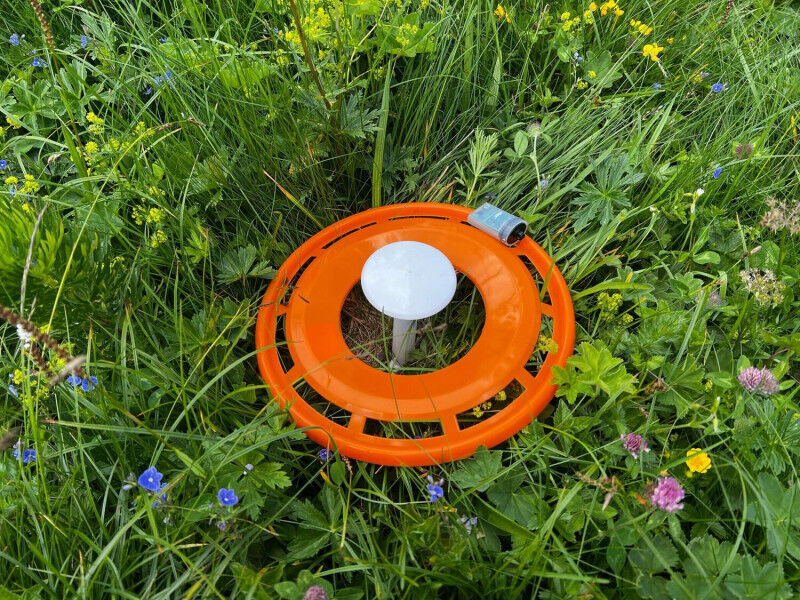
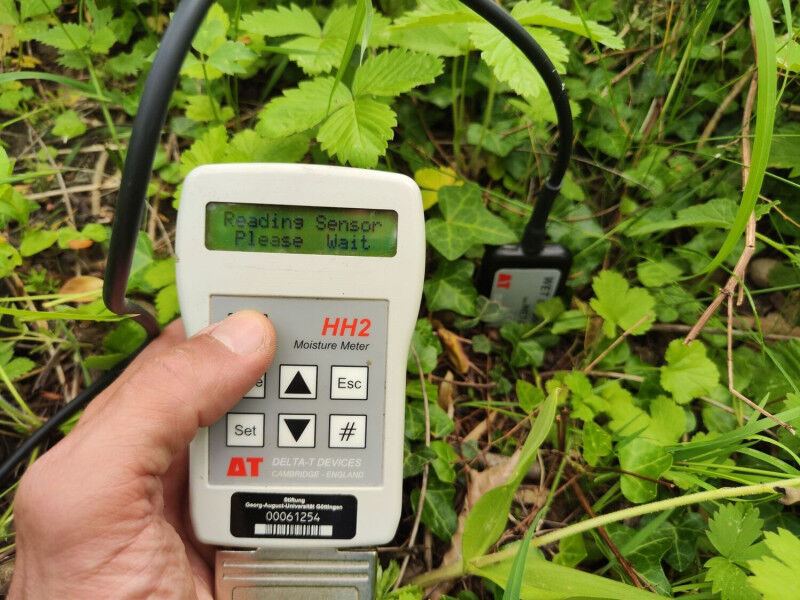
In the environment and forest, models and maps are often used to work out soil moisture based on factors such as slope, shape of the terrain or the pathways that water takes through the landscape. However, how well these approaches reflect actual soil moisture in German upland forests has not been systematically investigated in such detail until now. The study demonstrates the limitations of such approaches and shows that free, satellite-observation-fed reanalysis products, such as ERA5-Land data, provides a useful addition to measurements taken on the ground. This approach opens up new opportunities for more effective forest management in a changing climate.
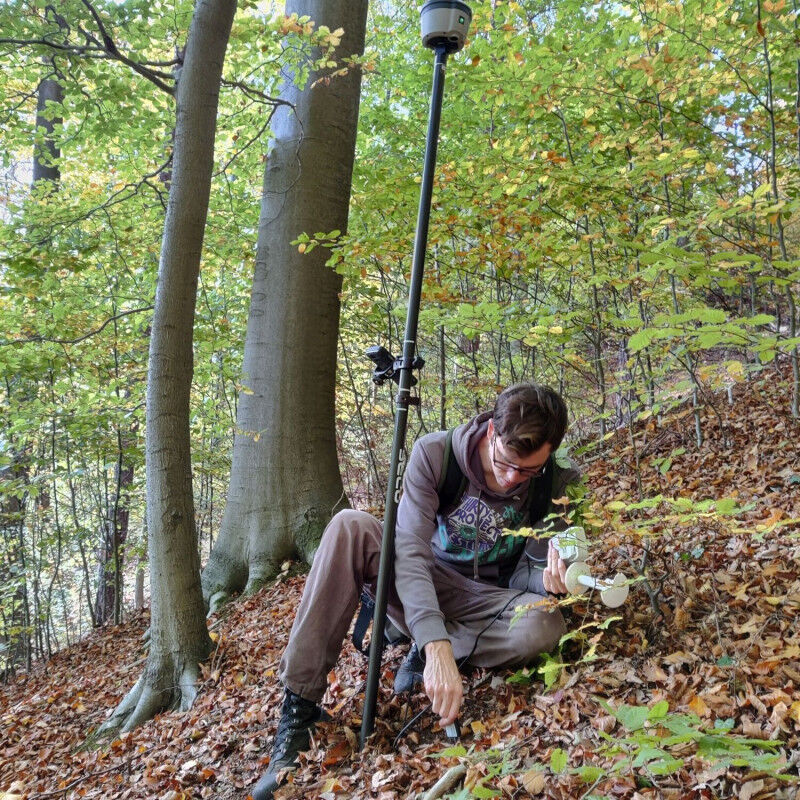
The ERA5 Land data, provided by the European Centre for Medium-Range Weather Forecasts (ECMWF) as part of the Copernicus Climate Change Service (C3S), corresponds very well to soil moisture values as measured on the ground. In fact, the model-based reanalyses informed by satellite observations can be adjusted with minimal calibration according to information on the ground to provide accurate results.

Original publication:Marian Schönauer et al:"Topographic indices and ERA5-Land data to describe soil moisture variability in a Central European beech forest." Journal of Hydrology: Regional Studies, 2025. DOI: 10.1016/j.ejrh.2025.102456