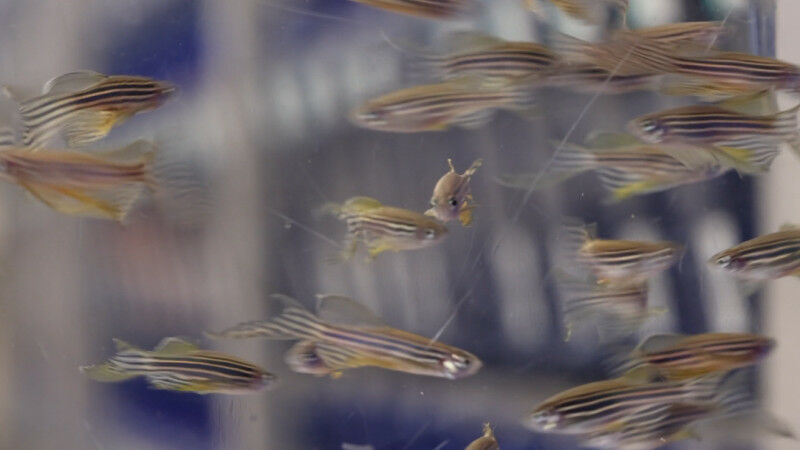
Zebrafish eggs are among the most commonly used model organisms in genetic, developmental and toxicology research. A device developed by EPFL spin-off Bionomous cuts the time it takes to sort these embryos from several hours to just a few minutes. Zebrafish measure just four or five centimeters in length and bear very little resemblance to human beings. So it may come as a surprise to learn that they share 70% of their genes with us. This biological characteristic, coupled with the fact that their eggs are abundant and transparent, makes these tiny freshwater minnows especially valuable to science. In fact, the past two decades have seen strong growth in zebrafish-based research in everything from myopathy and other genetic disorders to cancer, Alzheimer's disease, drug discovery and toxicology screening. But there's a fundamental stumbling block with this new model organism: the painstaking work of examining the eggs under a microscope to identify healthy specimens that can be used in research.
TO READ THIS ARTICLE, CREATE YOUR ACCOUNT
And extend your reading, free of charge and with no commitment.