Researchers call for agricultural measures and cooperation at landscape level
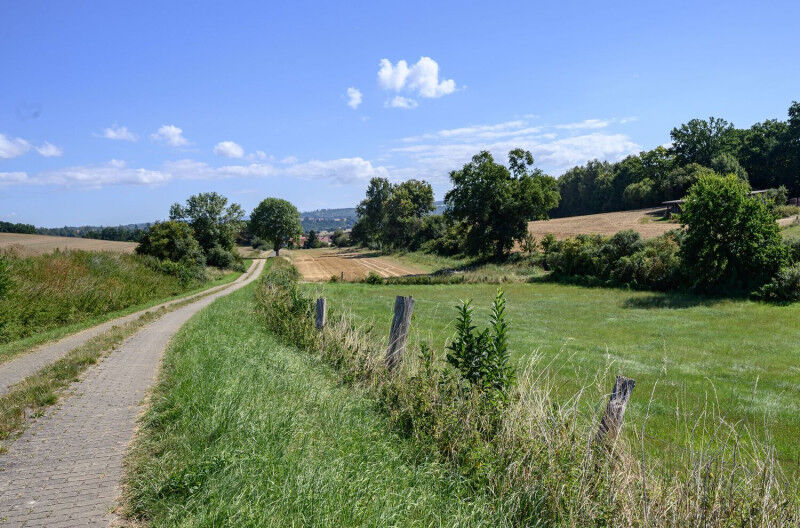
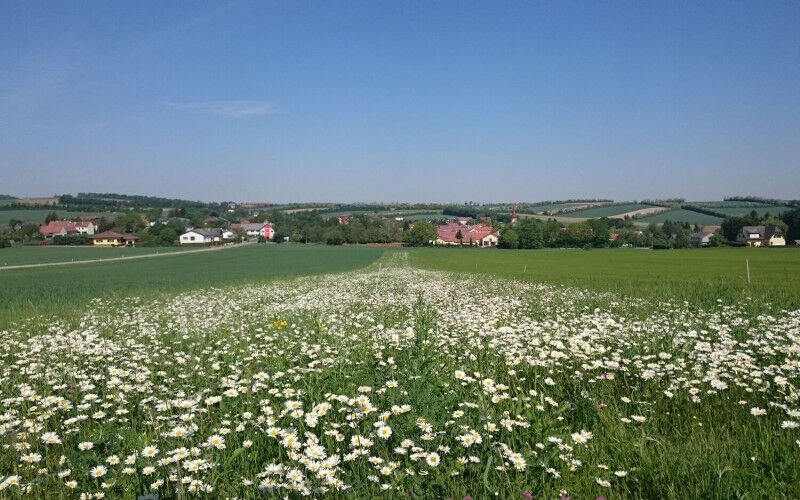
Flower strips between arable land are the most popular agri-environmental measure. They attract flower visitors such as butterflies and wild bees, beautify the landscape and are quickly established. However, the goal of a structurally diverse and therefore particularly species-rich agricultural landscape will not be achieved if it remains limited to flower strips and no further measures are taken to create and maintain different habitats across the entire landscape. Researchers from the Department of Functional Agrobiodiversity & Agroecology at the University of Göttingen have described in the journal Biological Conservation how agricultural landscapes must be designed to accommodate many species and ensure other socio-ecological functions such as recreation and climate protection
Agricultural use and expansion is the most important cause of global species loss. For more biodiversity in agricultural landscapes, there must be habitats outside the cultivated areas that provide additional resources. Annual flower strips are widespread in the European Union. However, they only support a limited range of plant and animal species, according to the researchers
Agri-environmental programs should also focus more on cooperation within agriculture and with other stakeholders. "We need greater cooperation between all interest groups for biodiversity-friendly agricultural landscapes with different habitats so that the biodiversity of our cultivated landscapes can be restored and preserved," emphasizes lead author Teja Tscharntke
Original publication: Teja Tscharntke et al. Beyond flower strips - restoring biodiversity needs more landscape heterogeneity. Biological Conservation (2025). DOI: 10.1016/j.biocon.2025.111474