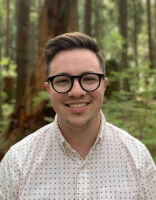
Heather Hendershot
Even as it grew in popularity in the postwar years, relatively few scholars studied television: Full of dismal middlebrow fare, from lightweight sitcoms to hokey soap operas, it was seen as far less worthy of critical appraisal than film. Even so, the immense popularity and apparent power of television made it ripe for analysis blending an examination of shows themselves with the political and economic components of the medium. Enter Heather Hendershot, who since the 1990s has been a prolific author of books and papers about television and politics - work that has helped to decipher our cultural past, and its politics. Hendershot's three books, many papers, and an edited volume have covered topics from censorship of children's programming to, more recently, in-depth studies of conservative political broadcasts. In unmatched detail, she has traced right-wing media from some of its overtly partisan founders in the 1950s and 1960s to the more refined, professional content developed by groups such as James Dobson's Focus on the Family organization in the 1990s. The more polished programming "was part of the modernizing agenda of conservative culture," says Hendershot, now a professor of film and media studies and the director of graduate studies in MIT's program in Comparative Media Studies/Writing. Such shows, in effect, broadcast the message that conservatives "were not backward and always trying to censor [programming]." A key part of this transformation is the subject of Hendershot's current book in progress: William F. Buckley and his popular public-television talk show, "The Firing Line," which sought a higher intellectual ground and featured an eclectic range of guests.
TO READ THIS ARTICLE, CREATE YOUR ACCOUNT
And extend your reading, free of charge and with no commitment.