The idea is to do some absolutely excellent science but also to make a real difference, to have a long term sustainable impact. Bringing local conservation practitioners on board from the very beginning has been a really important step, because they have the knowledge that can make it happen.
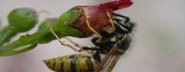
The lure of urban habitats for bees, flies, beetles and butterflies is to be investigated by researchers hoping to find a solution to the declining numbers of insect pollinators, without which, the UK could face severe agricultural setbacks. Environmental changes, pests and diseases have all led to a shrinking population of pollinating insects in recent years, yet strategies based on scientific evidence to prevent further losses have so far been lacking. Now, as part of a UK-wide initiative involving academic researchers in ecology, Wildlife Trust and Local Authority conservationists and researchers in ecology, molecular biology, mathematics and computing, the University of Bristol is to explore how urban environments could help to restore insect populations. Insects are responsible for maintaining natural biodiversity and ecosystems, with 80% of British plant species dependent on insect pollination. Insects pollinate around a third of the agricultural crops grown globally. In the UK alone the total loss of insect pollinators could cost up to £440m per year (about 13% of the UK's income from farming). Professor Jane Memmott from Bristol university's School of Biological Sciences and an expert in ecological processes will lead a multidisciplinary team of academics and practitioners from four cities to identify hotspots of urban growth and how these might be turned into thriving habitats for pollinating insects.
TO READ THIS ARTICLE, CREATE YOUR ACCOUNT
And extend your reading, free of charge and with no commitment.