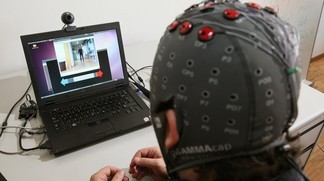
Engineering the Nervous System to Improve Sensation, Cognition, and Mobility - Research in biotechnology, microelectronics, and neural implants as well as advances in our understanding of the brain are changing our approaches to treating disability. EPFL's Center for Neuroprosthetics (CNP) is defining and establishing a truly interdisciplinary field of study merging neuroscience with engineering and medicine, and efficiently translating major breakthroughs from bioengineering and neuroscience into clinical settings. Over the last decade, EPFL has steadily become a world center for bioengineering technology and applications. In 2009, it solidified its position with the launch of the CNP. Today, five professors make up the research core of the Center. They are world-renowned specialists in their domains of stretchable electronics, paraplegic treatment, translational neuroprosthetics, cognitive neuroscience and neurology, and brain-machine interfaces. Human-Computer Confluence Virtual reality, sensory stimulation, and robotics, along with brain-computer interfaces, have allowed the merging of man and machine in an unprecedented fashion.
TO READ THIS ARTICLE, CREATE YOUR ACCOUNT
And extend your reading, free of charge and with no commitment.
Your Benefits
- Access to all content
- Receive newsmails for news and jobs
- Post ads