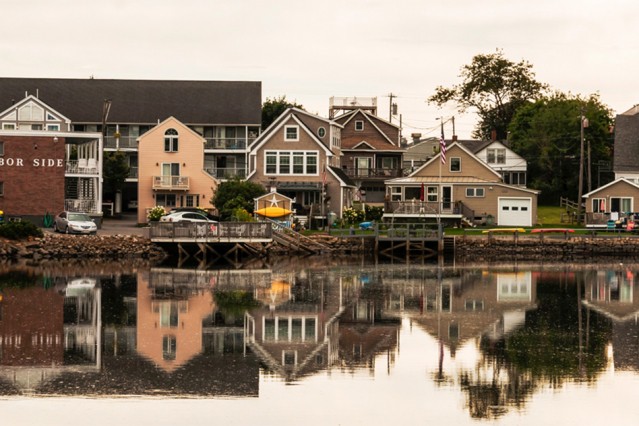
Wells, Maine
Perhaps you have heard the adage "think globally, act locally." An MIT-led project taking that idea to heart has demonstrated a new method for getting local citizens and leaders to agree on the best ways of managing the immediate and long-term effects of climate change. The New England Climate Adaptation Project (NECAP) got local citizens and officials in four coastal towns to engage in role-playing games about climate change tailored to their communities, while conducting local polling about attitudes and knowledge about climate risks. In so doing, the project helped the towns reach new conclusions about local initiatives to address the threats posed by climate change- which in coastal communities may include rising sea levels and increased storm surges that can lead to flooding. "One hour of conversation can completely alter people's sense [and show] that this is a problem they can work on locally," says Lawrence Susskind, the Ford Professor in Urban Studies in MIT's Department of Urban Studies and Planning (DUSP), who led the project and has now co-authored a new book detailing its results. "There are a bunch of things local governments can do, and people can do for themselves - that communities can do." The findings stem from years of research and organizing in four places: Wells, Maine; Dover, New Hampshire; Barnstable, Massachusetts; and Cranston, Rhode Island. The new book on the effort, "Managing Climate Risks in Coastal Communities," has just been released by the academic publisher Anthem Press.
TO READ THIS ARTICLE, CREATE YOUR ACCOUNT
And extend your reading, free of charge and with no commitment.