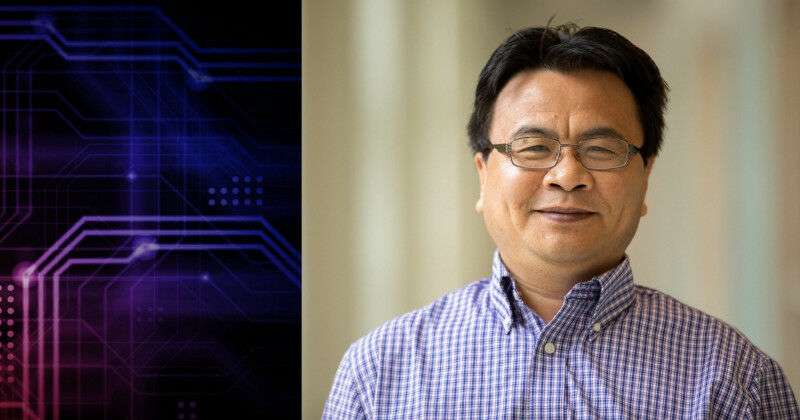
Led by Pingzhao Hu, an interdisciplinary study will apply deep learning algorithms to identify patterns of inflammatory bowel disease. (Schulich School of Medicine & Dentistry photo)
Led by Pingzhao Hu, an interdisciplinary study will apply deep learning algorithms to identify patterns of inflammatory bowel disease. (Schulich School of Medicine & Dentistry photo) A new research project at Schulich School of Medicine & Dentistry is harnessing the power of artificial intelligence to better understand and treat inflammatory bowel disease (IBD) - one of several projects by Western researchers that received nearly $5 million in funding from the Canadian Institutes of Health Research (CIHR) through its latest project grants competition. Led by Dr. Pingzhao Hu, professor, the interdisciplinary study will apply deep learning algorithms to identify patterns of disease and develop new, targeted drug therapies for IBD patients. Characterized by chronic inflammation, the precise cause of IBD remains unclear, but researchers have linked it to an overreaction of the immune system in people who are genetically predisposed. Hu and his team are focused on the inflammatory and bacterial aspects of the disease, with specific interest in the relationship between IBD and Escherichia coli, or E. coli, a bacterium which can trigger gut inflammation. Their goal is to develop new drugs that can treat IBD by reducing the overgrowth of harmful strains of E. coli. "This comprehensive approach holds the potential to revolutionize IBD management and improve patient outcomes," said Hu.
TO READ THIS ARTICLE, CREATE YOUR ACCOUNT
And extend your reading, free of charge and with no commitment.