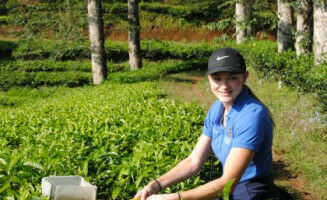
Hotter, drier, CRISPR: editing for climate change
Gene editing technology will play a vital role in climate-proofing future crops to protect global food supplies, according to scientists at The University of Queensland. Biotechnologist Dr Karen Massel from UQ's Centre for Crop Science has published a review of gene editing technologies such as CRISPR-Cas9 to safeguard food security in farming systems under stress from extreme and variable climate conditions. "Farmers have been manipulating the DNA of plants using conventional breeding technologies for millennia, and now with new gene-editing technologies, we can do this with unprecedented safety, precision and speed,' Dr Massel said. "This type of gene editing mimics the way cells repair in nature.' Her review recommended integrating CRISPR-Cas9 genome editing into modern breeding programs for crop improvement in cereals. Energy-rich cereal crops such as wheat, rice, maize and sorghum provide two-thirds of the world's food energy intake. "Just 15 plant crops provide 90 per cent of the world's food calories,' Dr Massel said. "It's a race between a changing climate and plant breeders' ability to produce crops with genetic resilience that grow well in adverse conditions and have enriched nutritional qualities.