DFG funds new Research Training Group at the University of Göttingen
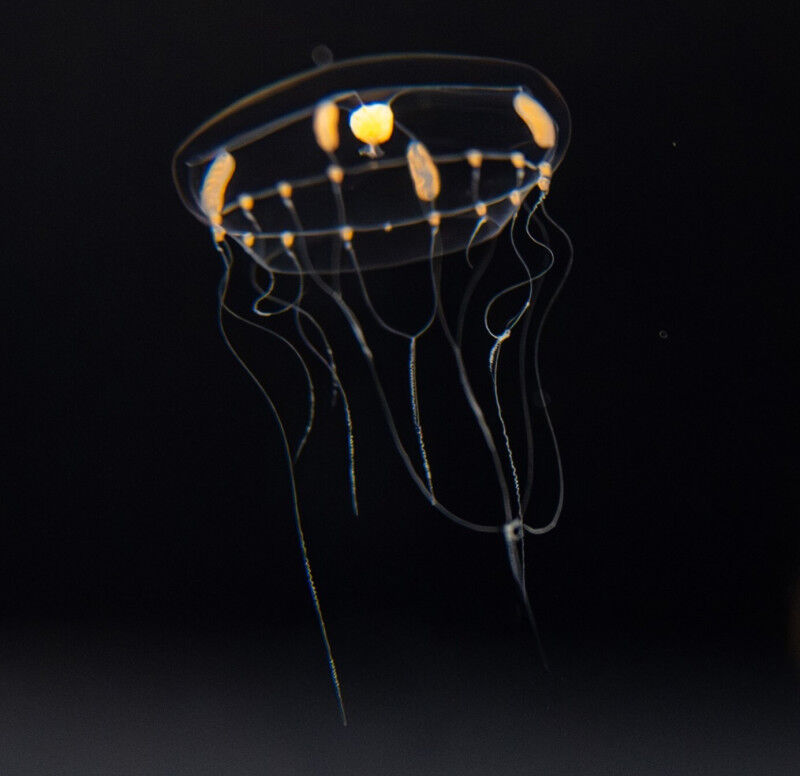
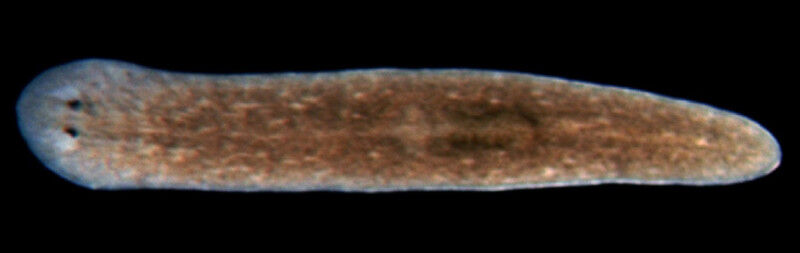
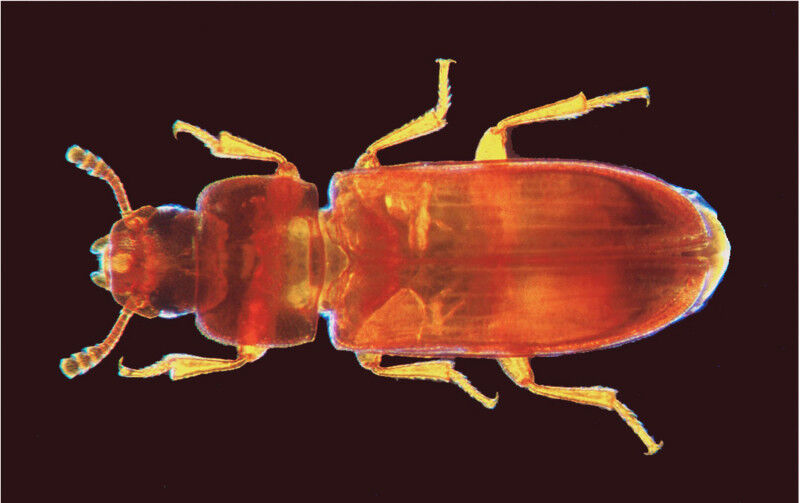
The German Research Foundation (DFG) has awarded funding for a new Research Training Group (RTG) at the University of Göttingen. The RTG "GönomiX" will enhance our understanding of genes and their functions in evolution of the animal world. Researchers will collect comparable data for the first time on gene regulation in different animal groups - from beetles to flatworms to snails and jellyfish. They will then investigate how selected genes work. The DFG will fund the RTG with around six million euros over the next five years.
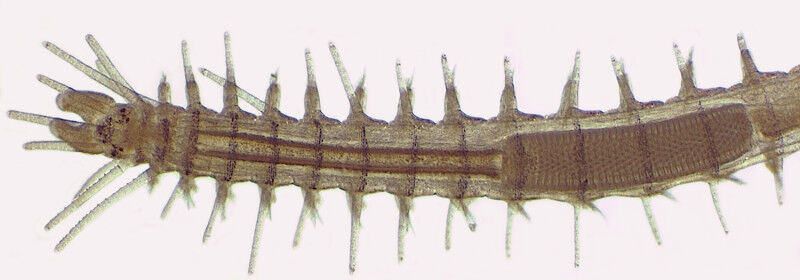
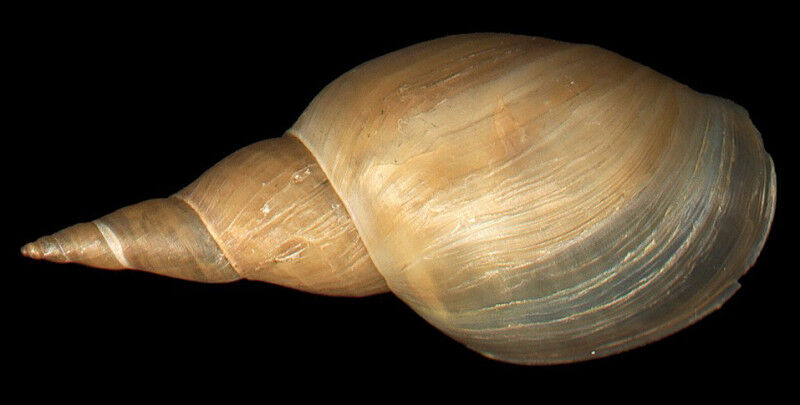
Until now, how these genes work has only been studied in a few organisms such as fruit flies and mice. The GönomiX team now wants to compare the developmental processes of a much greater variety of animal species - with a focus on the head. The team’s investigations will include how the gene network has changed during the evolution of different head shapes, what role the signalling pathway known as "Wnt" plays in communication between cells, and how genetic changes have led to the emergence of new physical characteristics such as horns in beetles or snail shells.
The RTG brings together expertise from researchers across Göttingen Campus, from Göttingen University’s Faculties of Biology and Psychology, and Geosciences and Geography, as well as the University Medical Centre Göttingen (UMG), and the Max Planck Institute for Multidisciplinary Sciences. "As a team here in Göttingen, we have the expertise to transfer state-of-the-art methods to animal species that have been little studied to date," explains RTG Spokesperson Professor Gregor Bucher, from Göttingen University’s Department of Evolutionary Developmental Genetics. "This includes the targeted switching off of genes using RNA interference, single-cell gene sequencing and genome editing with the CRISPR/Cas9 gene scissors." The team also aims to develop new computer programs and artificial intelligence methods to compare genetic networks across species separated by vast evolutionary timescales. In addition, it will investigate how chromosomes are spatially arranged in the cell nucleus in different animals and how this influences gene activity."