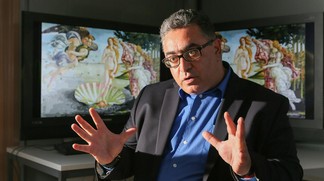
JPEG is the image format we use the most in the world, be it in our computers, smartphones or digital cameras. But it is actually more than that. JPEG is also an international group of experts, which recently elected as its head an EPFL Professor: Touradj Ebrahimi. The new President sheds light on the JPEG adventure and gives us an overview of new features in development. Four letters, over twenty years in existence and a virtual world monopoly in image compression. The JPEG standard, which is used more than one billion times each day on social networks alone, recently elected as its Head the EPFL professor Touradj Ebrahimi. At its core, what is the significance of JPEG? Touradj Ebrahimi gives us an overview of this popular standard that has revolutionized our lives. JPEG is everywhere. The basis of this project, however, was laid out over 30 years ago. This is true. JPEG is an image format created to address a major problem in the digital age. In the early 80s, no technology existed to copy or transmit electronic images. Minitel, invented by the French, only allows you to send text and simple graphics. We had to find a way to reduce the size of image files. It was the international standardization groups and tele industry that provided the impetus for the creation of JPEG. In 1982, they brought world experts in image compression to the table to form the "Joint Photographic Experts Group (JPEG)." The JPEG format was created in 1992. How does JPEG reduce image file sizes more that other formats?
TO READ THIS ARTICLE, CREATE YOUR ACCOUNT
And extend your reading, free of charge and with no commitment.
Your Benefits
- Access to all content
- Receive newsmails for news and jobs
- Post ads