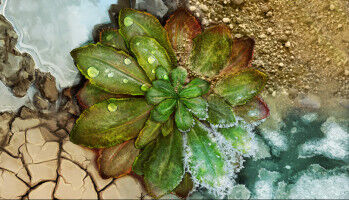
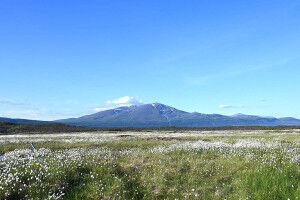
Image credit: Ian Brennan, ANU
Image credit: Ian Brennan, ANU - An ecological crisis overshadowed by the threats of mass species extinctions and climate change impacts could be just as serious to ecosystems and human society, according to a new study by an international team of scientists. However, there are actions that could help combat this hidden, understudied issue. Genetic diversity, which reflects the variation in DNA within species and populations and is the key to their capacity to adapt in times of change, is being lost at an alarming rate. According to the article by 28 authors, including Dr Anna MacDonald from The Australian National University, the loss of genetic diversity can affect resiliency in the face of environmental change. Once gone, genetic diversity can take millennia to return. "We know that genetic diversity is eroding, that it is happening fast, and that as a consequence nature is losing its resilience at a time when we need it most," lead author Dr Sean Hoban from The Morton Arboretum, USA, said. "Genetic diversity isn't visible to the eye, and in many cases it decreases before impacts are evident in a species' population." As shown in the new paper, scientists can now document changes in genetic diversity and devise actions to help. The use of museum specimens and genetic datasets collected over decades are showing that genetic diversity erodes long before species disappear.
TO READ THIS ARTICLE, CREATE YOUR ACCOUNT
And extend your reading, free of charge and with no commitment.