Researchers make case for teen physical activity
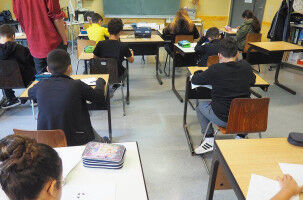
Canadian youth are standing still. In fact, they're one of the most sedentary groups in society. While there's a number of research on classroom-based physical activity, very little study has been done on physical activity in adolescent classrooms. This is according to a new study published in the International Journal of Environmental Research and Public Health from education professor Barbara Fenesi and co-authors: Madeline Crichton and Jasmyn Skinner from the Faculty of Education; Jeffrey Graham from Ontario Tech University; and Michelle Ogrodnik from McMaster University. Fenesi attributes the lack of research about classroom-based physical activity and adolescence to several factors, including environmental, experiential and systemic barriers, such as a lack of physical space; a misconception that developmental changes don't continue from adolescence into adulthood; systemic messaging by school boards that physical activity is less relevant for teens; and an increase in self-consciousness during adolescence. "A cultural shift is required for such classrooms to be established and truly accepted," Fenesi said. "Advocating for a culture of encouragement and acceptance for more physically active environments in schools is a good place to start." As part of increasing knowledge in this age group, Fenesi and her team will evaluate the effectiveness of a combined Grade 9 mathematics and physical education class.