Review: Professor Barry Marshall’s 2010 Clinical Prize Lecture
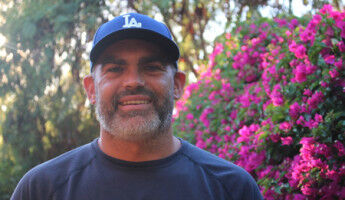
PhD student Gavin Sewell describes the unorthodox experimentation, courage and tenacity of Nobel Prizewinner Professor Barry Marshall, who gave the 2010 UCL Clinical Prize Lecture. ?On 20 September a group of seven UCL MB PhD students, including myself, were fortunate enough to meet Professor Barry Marshall, 2005 Nobel Laureate in Physiology or Medicine, prior to his UCL Prize Lecture in Clinical Science. Professor Marshall pioneered the discovery of Helicobacter Pylori, and its association with gastroduodenal diseases. We met Professor Marshall in the Wilkins building in the heart of UCL. Admittedly, we all felt a little awestruck. Even in UCL, it isn?t every day that one has the opportunity to speak with a Nobel Prize winner! However, we managed to overcome this to discuss Professor Marshall's current plans and his background, as well as our own personal research projects and ambitions. During our meeting and the subsequent lecture, we were able to glean some insights into the life, work and character of a world-renowned scientific researcher. I was struck by Professor Marshall's tenacity and determination, which was particularly apparent when he spoke of his most famous discovery - namely that Helicobacter Pylori cause peptic ulcers. This work initially proved extremely controversial - few gastroenterologists at the time were prepared to accept the idea that stomach ulcers, which for decades had been thought to result from stress and excessive acid secretion, could be due to small, spiral-shaped bacteria. How could bacteria possibly survive in the acidic environment of the stomach, and even if they did, surely they would be just another of the many harmless commensal flora in the human intestine?