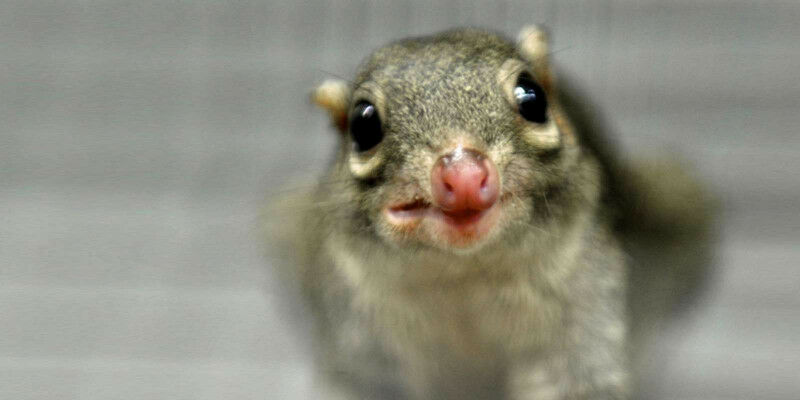
A research group from the University of Fribourg in Switzerland, China and the USA has made a discovery that could form the basis of a new generation of visual prostheses. They have demonstrated that small mammals, known as tupaias, are able to 'see' even when their retina is not stimulated. To achieve this, the neurons in these animals were activated by light pulses, generating visual perceptions in their brains . Activations of the visual system are normally generated by stimulation of the eye's retina. The interdisciplinary research team, led by Professor Gregor Rainer of the University of Freiburg, has succeeded in technically producing such activations without any visual information reaching the eye, by stimulating appropriate neurons. Using the optogenetic method, which involves introducing transmembrane proteins into brain neurons, these were stimulated by pulses of light. When the brain can see without the eyes.
TO READ THIS ARTICLE, CREATE YOUR ACCOUNT
And extend your reading, free of charge and with no commitment.