Military establishments have added defence of nature to defence of nation.
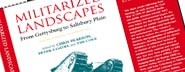
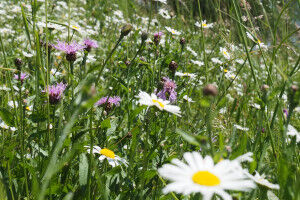
Tanks, bombs and soldiers may be the immediate occupants of the vast swathes of militarized territories across the world, but do they have other functions and meanings? A new book that takes an unprecedented look at these places holds some unexpected answers. ?Militarized Landscapes: From Gettysburg to Salisbury Plain? , is one of the major outputs of a three-year project that explores these often hidden, dangerous and controversial sites. Moving beyond the narrow definition of militarized landscapes as theatres of war, it focuses on the rural environments that have been reshaped by preparation for warfare. Edited by a team from the University of Bristol's Department of History , the book includes contributions from historians, geographers, a landscape architect and a clinical psychologist. Chapters range from contemporary flashpoints such as the Korean De-militarized Zone (DMZ) to former nuclear testing sites in the deserts of the American West, and from the memorial landscape of the celebrated US Civil War battlefield site of Gettysburg to the UK Ministry of Defence's training grounds on Salisbury Plain, the Dorset coast and the Welsh mountains. Other places covered include Norway and the occupied Palestinian territories. One of the book's most surprising findings is that certain militarized sites and training grounds have become unexpected and unintentional wildlife refuges, and are now managed for environmental as well as military objectives.
TO READ THIS ARTICLE, CREATE YOUR ACCOUNT
And extend your reading, free of charge and with no commitment.