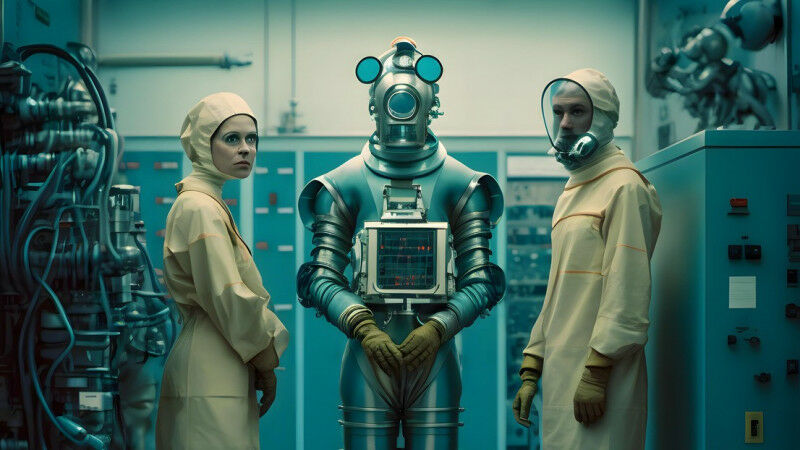
© Illustration created with 'Midjourney' by Alexandre Sadeghi AI chatbot ChatGPT exploded onto the scene in November 2022. It can write essays, WordPress plugins and even pass an MBA exam - yet scientists still don't fully understand how these general artificial intelligence programs work. New EPFL research aims to change this paradigm. This article is an excerpt from : Artificial intelligence: friend or foe? Within a few weeks of Open AI's ChatGPT being unleashed on the world, it reached 100 million users, making it the fastest-growing consumer application in history. Two months later, Google announced the release of its own Bard A.I. The day after, Microsoft said it would incorporate a new version of GPT into Bing. These powerful general artificial intelligence programs will affect everything from education to people's jobs - leading to Open AI CEO Sam Altman's claim that general artificial intelligence will lead to the downfall of capitalism. So, is this a lot of marketing hype or is it the beginning of AI changing the world as we know it? "It's unclear what this means right now for humanity, for the world of work and for our personal interactions," says EPFL Assistant Professor Robert West in the School of Computer and Communications Sciences.
TO READ THIS ARTICLE, CREATE YOUR ACCOUNT
And extend your reading, free of charge and with no commitment.
Your Benefits
- Access to all content
- Receive newsmails for news and jobs
- Post ads