Our results suggest it could take several decades for any reduction in nitrate concentrations of river water and groundwater, following significant change in land management practices.
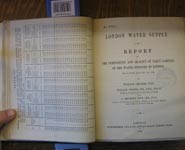
Intensive agriculture practices developed during the past century have helped improve food security for many people but have also added to nitrate pollution in surface and groundwaters. New research has looked at water quality measurement over the last 140 years to track this problem in the Thames River basin. The NERC -funded study, led by the University of Bristol's Department of Civil Engineering , has looked at nitrate transport from agricultural land to water in the Thames basin. The team used a simple model to estimate the amount of nitrate able to leach from soils to the groundwater based on land use practices along with an algorithm that determined the route nitrate would take to reach surface or groundwater from agricultural areas. The Thames River catchment provides a good study example because the water quality in the river, which supplies drinking water to millions of people, has been monitored for the past 140 years, and the region has undergone significant agricultural development over the past century. The study found that nitrate concentrations in the Thames rose significantly during and after World War II to about double their previous level, then increased again in the early 1970s. Nitrite concentrations have remained at that high level even though nitrate from inputs from agriculture declined from the late 1970s to early 2000s.
TO READ THIS ARTICLE, CREATE YOUR ACCOUNT
And extend your reading, free of charge and with no commitment.