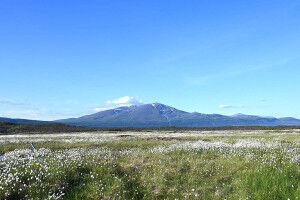
Prof. Norbert Hölzel’s team conducted a wide-ranging study in the Betpak-Dala in Central Kazakhstan on the influence of grazing on ecosystem services
International team of researchers completes first global field study on the ecological impact of grazing in drylands. Prof. Norbert Hölzel's team conducted a wide-ranging study in the Betpak-Dala in Central Kazakhstan on the influence of grazing on ecosystem services © AG Hölzel Grazing is a form of land use which sustains the livelihood for billions of people. It is especially important in drylands, which cover around 41 percent of the Earth's land surface, hosts one in three humans inhabiting our planet and over 50 % of all livestock live. Despite this importance of grazing for humans and ecosystems, to date no previous study had attempted to characterize its impacts on the delivery of ecosystem services at the global scale using field data. Ecosystem services are "services" which nature provides to mankind, through resources and biota such as the provision of water and food, the regulation of the climate, or pollination. For doing so, researchers from University of Alicante in Spain, led by Dr. Fernando T. Maestre teamed up with an international team of more than 100 colleagues to carry out a unique global survey conducted in 326 drylands located in 25 countries from six continents. Collecting data for an international research programme in the semi-desert of Central Kazakhstan.
TO READ THIS ARTICLE, CREATE YOUR ACCOUNT
And extend your reading, free of charge and with no commitment.
Your Benefits
- Access to all content
- Receive newsmails for news and jobs
- Post ads