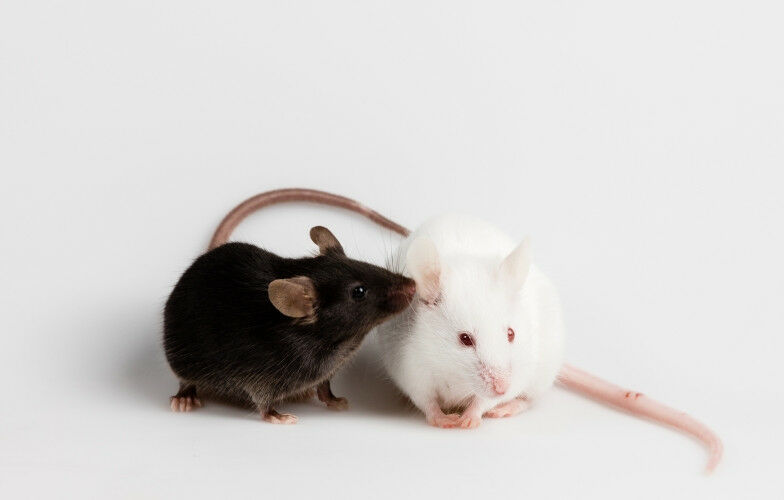
Adding familiar objects to a new environment can rescue autism-like behaviors in mice with an autism mutation.
Adding familiar objects to a new environment can rescue autism-like behaviors in mice with an autism mutation. The emergence of autism traits can result from different factors, such as a person's environment and genetic background. FMI researchers and their Novartis collaborators showed that exposing mice with an autism mutation to a new environment can trigger autism-like behaviors — through faulty signaling in the brain. However, adding familiar objects to the environment can rescue these defects, suggesting that behavioral therapies involving familiar features may help to prevent the emergence of autism traits in predisposed people. Every person on the autism spectrum is unique, and autistic traits may differ significantly even between siblings with similar genetic backgrounds. To investigate the factors that might contribute to the emergence of autism, researchers in the Caroni group and their colleagues at the FMI and the Novartis Institutes for BioMedical Research set out to study mice who carry a mutation in the SHANK3 gene. SHANK3 encodes a protein that helps neurons communicate throughout the brain.
TO READ THIS ARTICLE, CREATE YOUR ACCOUNT
And extend your reading, free of charge and with no commitment.