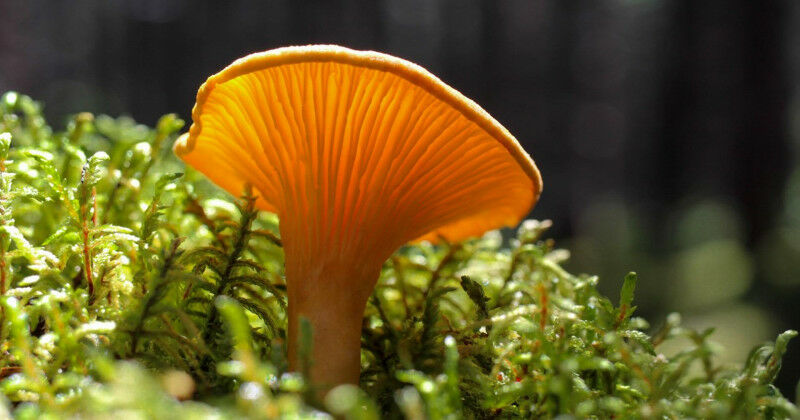
Fungal biotechnology is an ever-growing industry as new uses for mushrooms, like blewits and chantarelles, are being discovered and developed every day. Photo credit: Katarina Kukolj
Fungal biotechnology is an ever-growing industry as new uses for mushrooms, like blewits and chantarelles, are being discovered and developed every day. Photo credit: Katarina Kukolj - A team of Western mycologists (fungi experts) spent the past two summers digging deep in Newfoundland dirt to investigate the might of mushrooms and found what lies beneath truly is 'the main character' in most terrestrial ecosystems. Fungi, which produce mushrooms, are critically important in most earthbound ecosystems as they provide life-sustaining mineral nutrients to plants while decomposing their remains, and recycling both organic and inorganic byproducts throughout the biome as they grow and reproduce. "A lot of ecologists are beginning to realize that mushrooms really run the world. We've quite naturally spent a lot of our time focusing on things above ground, things that we see like plants, animals, and birds," said Western biology professor Greg Thorn. "But in fact, the plants are very closely associated with fungi, and basically wouldn't be there (above ground) without them." Fungi make nutrients available to plants either through decomposition and nutrient cycling, or by directly transporting nutrients to the plants, or in some cases, both processes occur. "Diversity and composition of the fungal community in a place really dictates what happens there ecologically both in terms of plant composition and productivity," said Thorn.
TO READ THIS ARTICLE, CREATE YOUR ACCOUNT
And extend your reading, free of charge and with no commitment.