(Image: Pixabay CC0)
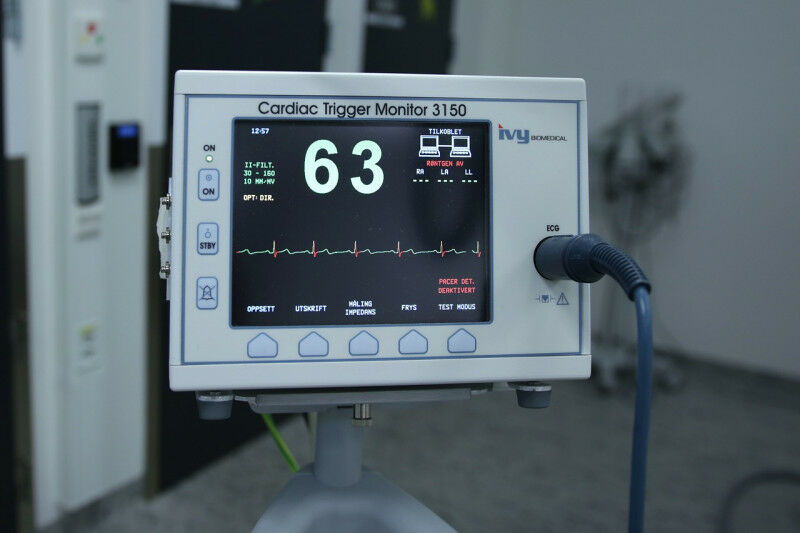
(Image: Pixabay CC0) - Temporarily lowering the body temperature is considered a way to prevent or limit brain damage after resuscitation in the event of cardiac arrest. Researchers at MedUni Vienna's Department of Emergency Medicine have now analysed the results of several studies in a Cochrane Review and shown to what extent cooling methods can reduce the risk of brain damage and improve neurological outcomes after successful resuscitation. Cardiac arrest is a life-threatening condition in which the heart stops beating and blood circulation throughout the body stops. Immediate resuscitation measures are crucial to save the life of the victim. This involves the use of various techniques such as chest compressions, ventilation techniques and the use of a defibrillator. After successful resuscitation, it is important to prevent or limit brain damage in order to preserve the function and structure of the nerve cells in the brain. Cooling the body to a temperature of 32°C to 34°C can be a therapeutic option to prevent cell damage.
TO READ THIS ARTICLE, CREATE YOUR ACCOUNT
And extend your reading, free of charge and with no commitment.